As an Amazon Associate, we earn from qualifying purchases. Some links may be affiliate links at no extra cost to you. Although our opinions are based on curated research, we haven't used these products. Articles generated with AI.

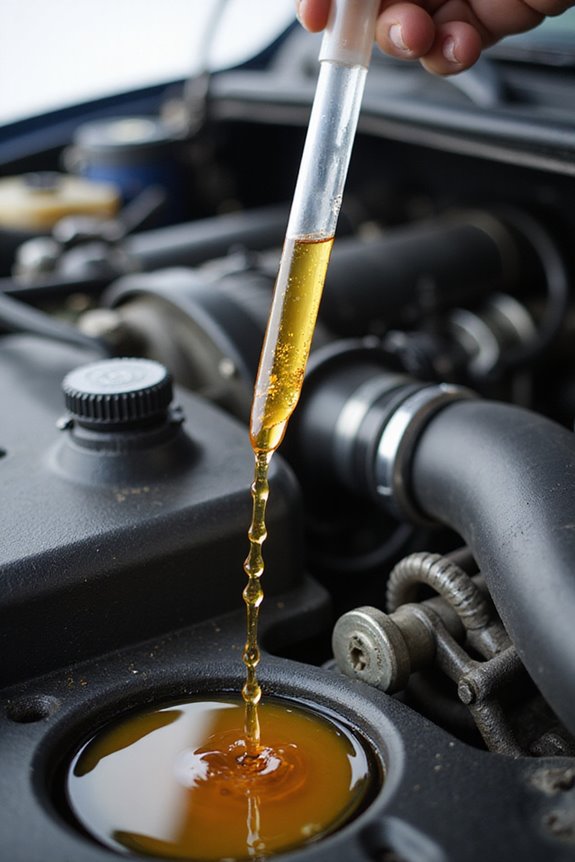
How Can I Detect Leaks In My Car’s Engine?

To detect leaks in our car’s engine, we can start with visual inspections using a flashlight, looking for wet spots or stains around gaskets and seals. If those don’t reveal anything, we might consider using specialized techniques like UV dye or smoke tests to pinpoint hidden leaks. Additionally, monitoring fluid levels can help catch issues early. Our vehicle’s performance and dashboard warnings are vital clues as well. Stick with us for more in-depth methods and tips!
Key Takeaways
- Conduct visual inspections with a flashlight, focusing on areas like the valve cover gasket and timing cover for oil residue.
- Use ultraviolet (UV) dye in your engine fluids to easily spot leaks under UV light.
- Perform ultrasonic leak detection to identify high-frequency sound waves indicating small leaks.
- Utilize smoke testing to reveal vacuum and intake leaks through visible smoke.
- Monitor fluid levels and check for unusual signs like puddles or strange smells to catch issues early.
Visual Inspection Techniques
You may be interested


When it comes to detecting leaks in a car engine, visual inspection is our first line of defense, and it doesn’t have to be complicated. Let’s gather our tools—like a bright flashlight and a clean cloth—and start with the valve cover gasket area, looking for that dark, oily residue. Don’t forget the drain plug inspection; a bit of seepage might signal trouble.
We should also keep an eye on the timing cover and rear main seal areas for any fresh oil. Checking around hose connections and clamps can reveal wet spots too. The key here is consistency—regular checks help us catch leaks early and prevent bigger headaches down the road. Additionally, keeping an eye on the maximum pressure capacity can help ensure that any anomalies are addressed promptly. Let’s make this a part of our routine!
Using Ultraviolet (UV) Dye
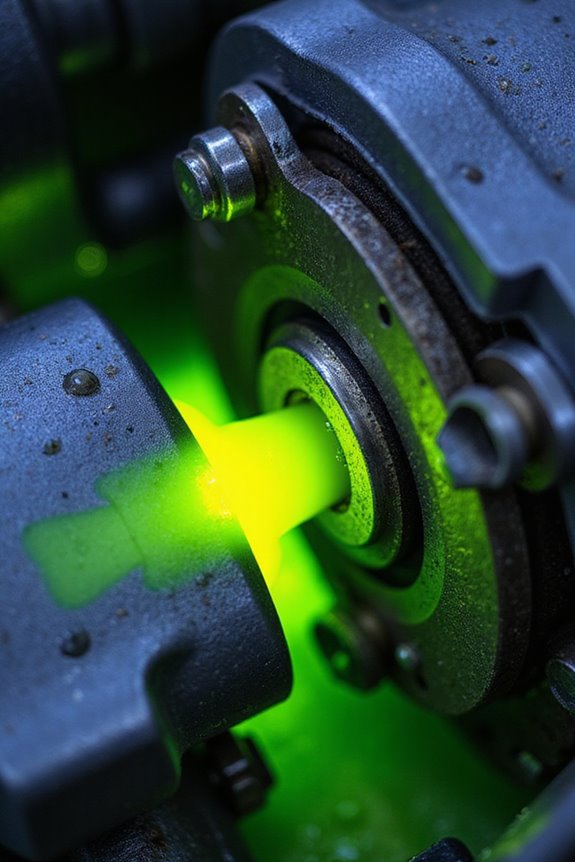
One of the easiest and most effective methods for pinpointing engine leaks is the use of ultraviolet (UV) dye, and it’s a technique we think everyone should have in their toolkit. With UV dye applications, we can add a small amount of fluorescent dye to our vehicle’s fluid system—be it oil, coolant, or even transmission fluid.
Once the engine runs, any leaks will reveal themselves brightly under a UV light.
Advantages of UV? It catches small leaks we might otherwise overlook, saves us time by pinpointing the issue quickly, and keeps repair costs down. Plus, it doesn’t harm any components. In fact, using a UV dye can be particularly beneficial when combined with high-quality oils that help maintain optimal engine performance during repairs.
Recommended Products

Robinair's USA made LD9-TGKIT Tracer Gas service kit, with full color LCD and user-friendly message and error screens, gives technicians the tools necessary to use tracer gas in place of refrigerant to find A/C system leaks

Robinair’s LD7 Premium Refrigerant Leak Detector features a color graphic display that highlights leak sizes in two unique ways – bar graph and sweep modes

Triggers on all CFCs, HFCs, HCFCs and blends. More sensitive to some refrigerants than others.
Ultrasonic Leak Detection
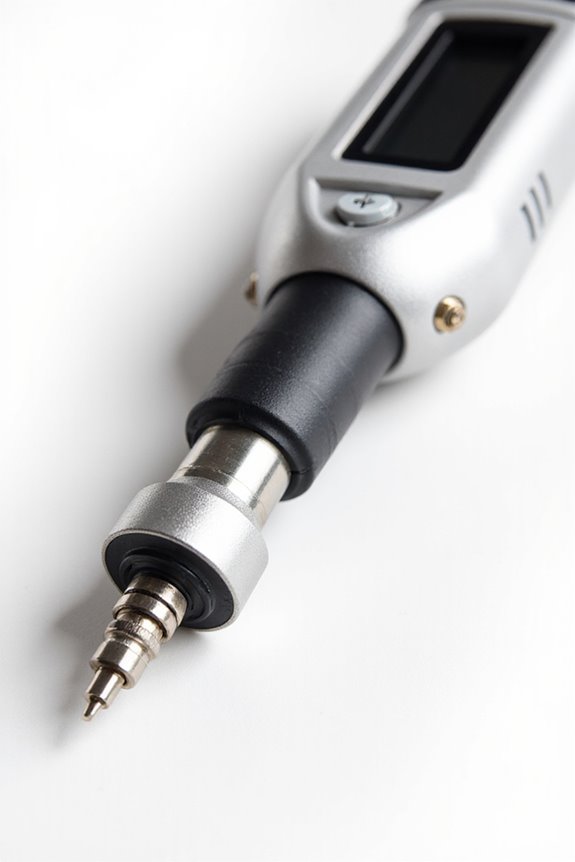
Is there a more efficient way to detect engine leaks than traditional methods? We believe there is! Ultrasonic technology offers an innovative solution for leak assessment. Instead of relying on gas presence, this method picks up those sneaky high-frequency sound waves that humans can’t hear. Those waves arise when gas or liquid escapes through tiny leaks, often unnoticed by the naked eye. Additionally, cold cranking amps can significantly affect a vehicle’s overall performance, making it crucial to ensure engine integrity during routine checks.
Recommended Products

VPE-1000 Ultrasonic Leak Detector Features Digital LED Indicators: Both alphanumeric and bar-graph!

Accurate Detection: VEVOR pipe water leak detector features 1Hz–10000Hz wide frequency range and up to 16.4FT (5m) underground detection depth, effectively filtering out interference signals and accurately capturing the vibration frequencies caused by water leakage
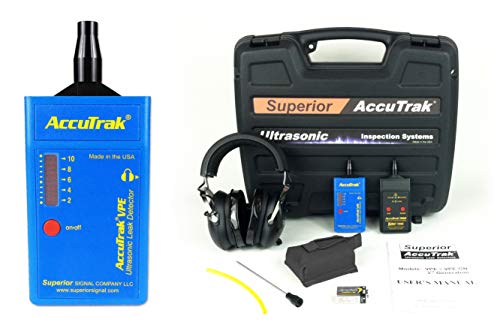
ADVANCED TECHNOLOGY: State-of-the-art, non-invasive leak detector that detects both pressure and vacuum leaks of ANY GAS. “Hear” leaks in the ultrasonic range, and distinguish them from mechanical or other background ultrasound. Effective in gas-saturated areas and in noisy or windy conditions.
Smoke Testing for Vacuum and Intake Leaks
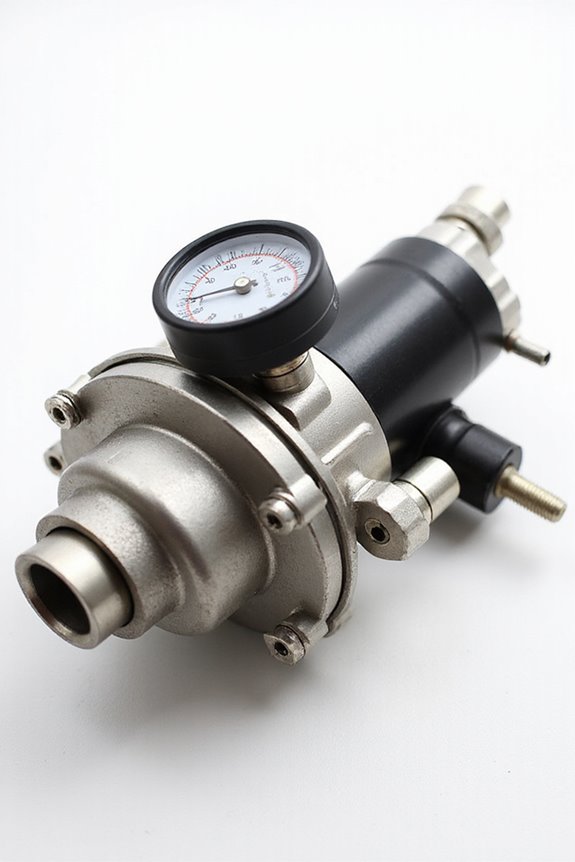
Smoke testing for vacuum and intake leaks takes a straightforward and visual approach to uncover lurking issues in an engine. We can use commercial smoke machine setups or even DIY testers, which are budget-friendly and effective. By introducing visible smoke, we can pinpoint undesirable leaks at various locations, like intake boots and vacuum hoses.
To perform this test, proper sealing techniques are essential. We need to guarantee all entry points are sealed so the smoke only escapes through the leaks. It’s often helpful to keep the engine off, allowing for a controlled inspection with a flashlight to spot escaping smoke. Additionally, ensuring high-quality materials are used in your engine components can help prevent future leaks.
Takeaway: Smoke testing offers a clever solution to diagnosing leaks, adding peace of mind to our car maintenance routine.
Recommended Products
![Bosch 3824-08 ESI[Truck] 1-Year Software Renewal License](https://m.media-amazon.com/images/I/31-MC4FVa9L._SL500_.jpg)
3824-08 ESI[truck] 1-Year Software Renewal License

[J2534 COMPLIANT] - The Mastertech II is a J2534-1 and J2534-2 compliant VCI for OEM reprogramming and diagnostic applications

Software subscription for the Bosch ADS 625 diagnostic solution that includes full access to all Domestic/Asian/European coverage additions for 12 months
Leakdown Testing for Cylinder and Valve Leaks
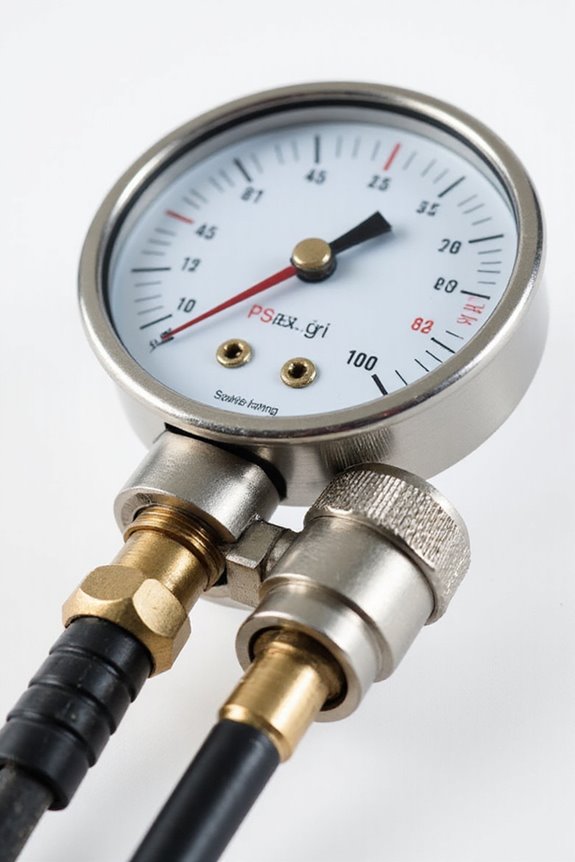
When it comes to maintaining our engine’s health, leakdown testing emerges as an essential tool, especially for pinpointing leaks in cylinders and valves. Using a leakdown methodology, we can measure the percentage of compressed air escaping from our engine, providing critical insight into its condition.
Here’s how it works: by introducing compressed air into the cylinders, we can detect issues like worn piston rings or leaking valves without extensive disassembly.
The test accuracy is unrivaled, directly quantifying air loss as a percentage, helping us understand the severity of the leaks. Additionally, using these advanced features like Kelvin four-wire connections can help minimize errors in measurements.
Takeaway: leakage under 10% means all is well; over 20% signals potential problems requiring our immediate attention. Let’s keep our engines running strong!
Recommended Products

FREE UPGRADE - Get TK PLUS for the price of TK9A

Specializing in Boost Leak Testers this Large Frame Shop Turbo Boost Leak Tester kit 4" 5" 5.5" 6" with 5 ft Extension Air Line Kit with 150 PSI Regulator

Full Compatibility - Features 3 Large-Size NPT Adapters (3/8", 1/2", 3/4"), widely used in American heavy equipment including excavators, loaders, and agricultural machinery.
Essential Tools and Equipment
Keeping our engines leak-free is no small task, and fortunately, we’ve got a solid lineup of tools and equipment at our disposal. Here’s a quick rundown of essential leak detection tools and pressure testing equipment to evaluate:
- Smoke Leak Detectors: They visualize escaping smoke, making it easier to spot leaks, especially in cooling and intake systems.
- Ultrasonic Leak Detectors: These handy tools catch high-frequency sound waves from small leaks.
- Pressure and Vacuum Testers: They help us measure pressure loss in sealed systems, confirming leaks with ease.
- UV Dye Kits: Adding fluorescent dyes to fluids allows us to reveal leaks under UV light.
With the right tools, detecting leaks becomes more manageable—and honestly, a bit fun! Additionally, implementing proper heat management technologies can help in identifying leak sources efficiently. So let’s gear up and tackle those pesky leaks together.
Recommended Products

Easily detects any gas that generates ultrasonic sound during flow, including vacuum leaks

Gooseneck Configuration: allows operator to get accurate readings in hard to reach places

20 kHz to 90 kHz frequency range: Optimal range for detecting a variety of leakage events
Identifying Common Leak Areas
Identifying common leak areas in a car engine can feel like a scavenger hunt, where the prize is a smooth-running vehicle. Let’s start with the valve cover gaskets, often elusive culprits at corners, leaking engine oil and maybe causing misfires if oil drips near spark plugs. Next, we’ve got the oil pan and drain plugs, which may leak due to age or improper tightening—keep an eye out for oil spots under your car.
Don’t forget the rear main seal, hiding behind the transmission, often leaking quietly. And if you’re feeling adventurous, check the PCV valve for crankcase pressure issues. In our journey, recognizing these common sources of leaks can save us from bigger engine troubles down the road.
Takeaway: Regular checks on these areas can guarantee engine health.
Steps for Professional Leak Detection
With a clear understanding of common leak areas, tackling professional leak detection can feel like gearing up for a pit stop. Here’s how we can kick things off:
- Ultrasonic Leak Detection: This nifty method picks up on ultrasonic noises like a pro, turning them into sounds we can hear—perfect for finding all sorts of leaks.
- UV Light & Dye: We pump a fluorescent tracer into the fluid system; leaks glow under UV light, giving us clear visuals of where to hone in.
- Smoke Testing: By introducing non-toxic smoke, we can see exactly where and how the smoke escapes, pinpointing elusive leaks.
- Leak Dye/Powder: A simple application can highlight leak paths, making our evaluation process straightforward.
Takeaway: Using these professional tips guarantees an accurate leak evaluation and keeps you on the road longer!
Preventive Measures to Avoid Leaks
Preventing leaks in your car’s engine isn’t just a wise choice; it’s essential for keeping your vehicle running smoothly. By embracing leak prevention strategies and sticking to a regular maintenance schedule, we can save ourselves a world of trouble.
- Routine inspections of gaskets, seals, and hoses help catch early warnings.
- Let’s guarantee we change the oil at recommended intervals to avoid sludge buildup.
- Regularly checking oil levels and inspecting the oil pan for damage can prevent bad surprises.
- Using high-quality oils and avoiding overfilling keep our seals intact.
When to Seek Professional Help
Even with the best preventive measures in place, leaks can still happen, and knowing when to seek professional help is key to avoiding more extensive damage down the road. If we notice signs indicating persistent oil leaks or dashboard warning lights, it’s time for an urgent response. Unusual engine noises, sudden dips in oil levels, or unclear fluid origins are also telltale signs we shouldn’t ignore.
Safety is paramount; gasoline leaks can be hazardous. Large puddles or continuous drips beneath our vehicle signal major leaks needing serious mechanic expertise. Remember, DIY fixes can lead to more issues. When in doubt, let the pros handle it—they have the tools and know-how to accurately diagnose and fix our engine’s leaks without further complications.
Takeaway: When leaks arise, trust the experts for safety and efficiency.
Frequently Asked Questions
How Often Should I Inspect My Engine for Leaks?
We should inspect our engine for leaks every six months as part of routine maintenance, or monthly for oil levels. Regular checks help with leak prevention and keep our engine running smoothly and efficiently together.
Can I Use Regular Dye Instead of UV Dye for Leaks?
Using regular dye instead of UV dye for leak detection isn’t advisable; studies show UV dye detects leaks over 90% of the time, while dye alternatives often fail. We recommend sticking with what works best together.
What Are the Signs That a Leak Is Severe?
We’ve got to watch for severe indicators like dark oil puddles and engine overheating. Ignoring these can lead to serious leak consequences, affecting everything from performance to engine failure. Let’s stay proactive about our car’s health!
Will Engine Oil Leaks Affect My Car’s Performance?
It is understood that oil leak causes significant performance issues. Maintaining our engine oil guarantees smooth operation, preventing increased friction and reduced power. Together, let’s keep an eye on our oil levels for better performance.
Is It Safe to Drive With a Suspected Engine Leak?
We can’t ignore that engine leak safety is essential. If we suspect a leak, let’s take driving precautions seriously—monitoring fluids and temperature, avoiding heavy loads, and seeking immediate help will keep us safe on the road.