As an Amazon Associate, we earn from qualifying purchases. Some links may be affiliate links at no extra cost to you. Although our opinions are based on curated research, we haven't used these products. Articles generated with AI.

How Do I Know My Car Parts Are Genuine?

To know if our car parts are genuine, we should start by checking the packaging and labels—authentic parts have sturdy packaging and clear, crisp labels. We can also utilize tech like RFID tags and barcodes for quick verification. Furthermore, inspecting physical quality, like serial numbers and craft finish, is essential. Finally, we need to be cautious about pricing; if it seems too good to be true, it probably is. Let’s explore more ways to guarantee authenticity together!
Key Takeaways
- Inspect packaging for sturdy materials and clear labels, ensuring there are no bubbles or creases present.
- Use manufacturer websites or mobile apps to verify part numbers or QR codes for authenticity.
- Look for unique serial numbers, batch identifiers, and tamper-evident seals on the parts.
- Compare prices to market standards; suspiciously low prices may indicate counterfeit parts.
- Purchase from authorized dealers to guarantee authentic and quality components.
Packaging and Label Inspection
You may be interested


When we’re on the hunt for genuine car parts, one of the first things we should examine is the packaging and labels. Authentic car parts come with sturdy packaging materials that protect the contents, thanks to quality finishes—no bubbles or creases here! Flimsy packaging is a big red flag.
Next, let’s talk about label clarity. Genuine labels have crisp printing and flawless spelling, while counterfeit ones often flaunt errors. If the barcode doesn’t scan correctly, we should think twice. Look for tamper-evident seals, too; they indicate authenticity. Additionally, reputable manufacturers often ensure that their products, like EPA compliant catalytic converters, meet strict quality standards for performance and emissions.
Takeaway: Trust your instincts—if it feels off, it probably is. And remember, genuine parts just look better!
Use of Authentication Technologies
In the quest for genuine car parts, the use of authentication technologies is like having a trusty sidekick in our journey. Imagine using RFID tags that let us verify parts instantly with our smartphones, ensuring we’re not tricked by counterfeit products. These tags are game-changers, helping track parts throughout the supply chain.
Then, there’s holographic authentication, which assigns unique fingerprints to each part. Scanning these holograms gives us immediate answers about authenticity, almost like magic!
With tamper-evident features, we can easily spot any attempts at deception. Additionally, technologies such as auto shut-off features are designed to enhance safety during usage, making the choice of parts not just about performance but also peace of mind. So, let’s embrace these tech advancements—they make our search for genuine parts not just easier, but a whole lot safer!
Takeaway: Always look for RFID tags and holographic features for peace of mind.
Verification Methods Online and via Apps
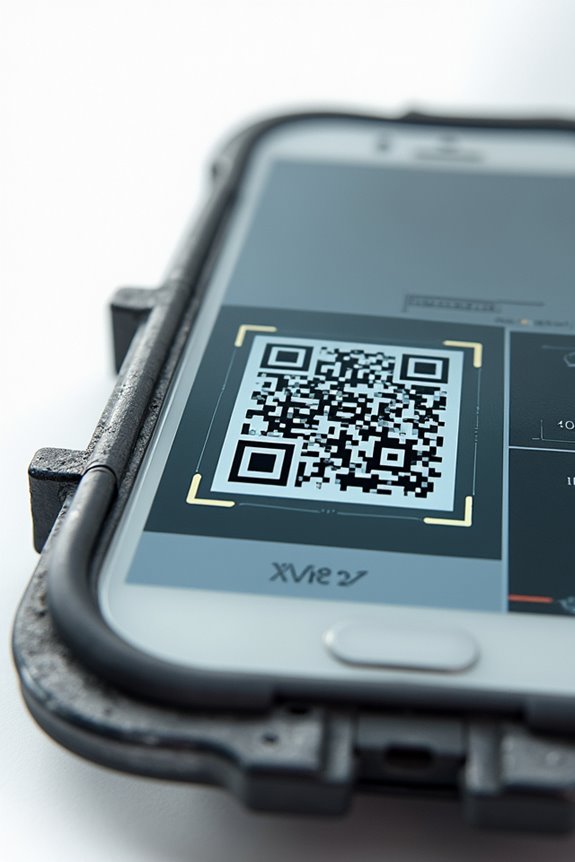
How can we guarantee that the car parts we’re purchasing online are genuinely authentic? Thankfully, we have online tools and mobile applications to guide us. Many manufacturers provide dedicated websites where we can input part numbers or QR codes, instantly confirming authenticity. These platforms utilize databases that check for duplicate or invalid codes, thwarting counterfeiters.
Let’s not forget mobile apps, which allow us to scan codes directly. Some even use AI to detect suspicious patterns in real time. With blockchain integration, we can trace a part’s history, ensuring it’s genuine. Additionally, some websites offer battery performance ratings that help consumers make informed decisions based on real user feedback.
Takeaway: Always cross-check part details with trusted sources. When in doubt, reach out to customer support; they can lend a hand with verification!
Physical Quality and Part Markings
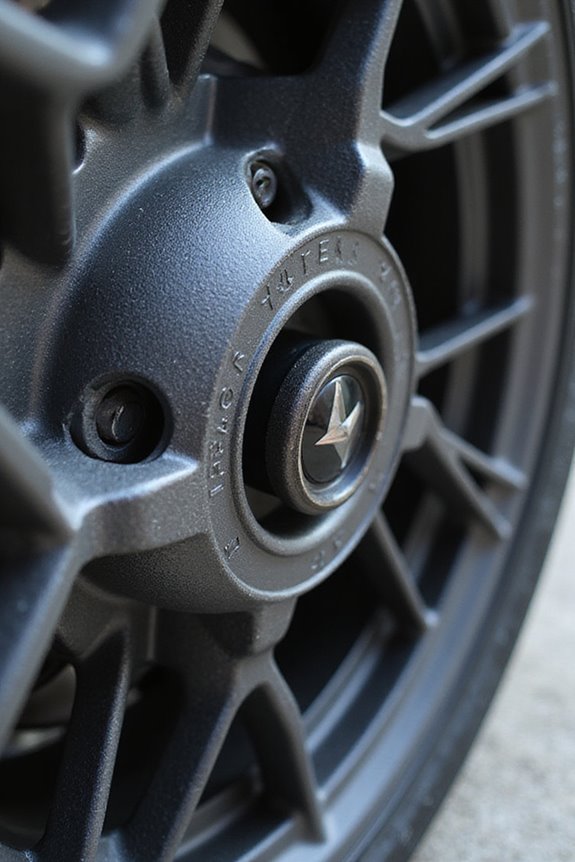
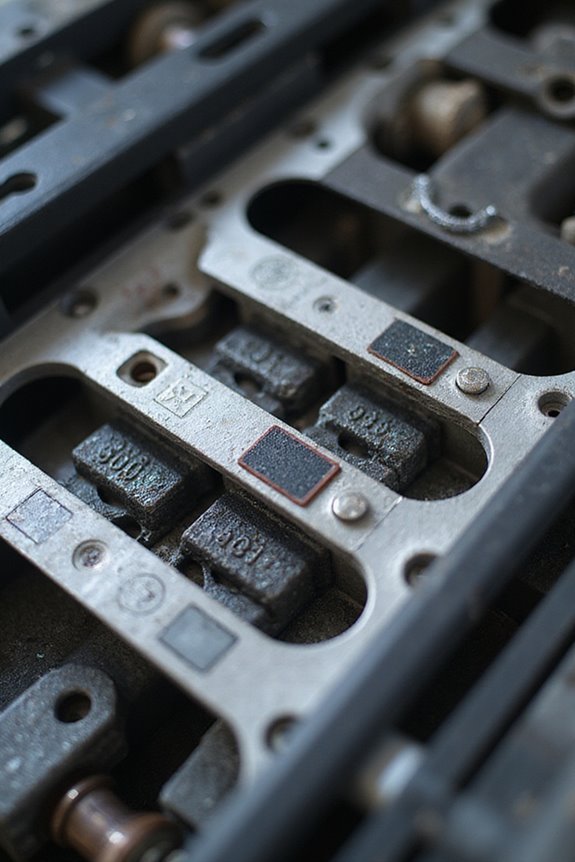
Authenticity in car parts isn’t just about the price tag; it’s also about the quality we can physically observe. When inspecting parts, let’s look for clear markings. Genuine parts usually sport unique serial numbers or batch identifiers, ensuring a traceable origin. Holograms and security labels are often present—if they’re blurry or missing, we might be looking at counterfeits.
We should also pay attention to the craftsmanship. Authentic parts feature smooth edges, uniform textures, and a solid feeling of part durability. If something seems off, like rough edges or inconsistent branding, that’s a red flag. Remember, a well-made part reflects manufacturing precision and is built to last. For instance, parts like Car Brake Caliper Hooks are designed with high-quality materials and reliable features that contribute to their authenticity.
Takeaway: Trust your instincts; quality and proper markings go hand in hand when determining authenticity.
Pricing and Purchase Source
When it comes to car parts, pricing and where we buy them play a significant role in determining whether we end up with genuine components or something less trustworthy. Genuine parts tend to be pricier, thanks to those dealership markups and branding, while OEM parts offer similar quality at a lower price if we bypass those dealerships. Aftermarket options can save us 20% to 60%, just be cautious of source reliability. Buying from authorized dealers guarantees authenticity, while poor choices can spell trouble. Additionally, it’s essential to consider measurement accuracy requirements since using parts that don’t meet these guidelines can affect the performance and safety of your vehicle.
Takeaway:
- Check prices carefully—low prices can signal counterfeit risks.
- Opt for credible sources to verify quality and warranty coverage.
- Don’t skip the research—know your part numbers!
Frequently Asked Questions
What Are the Risks of Using Counterfeit Car Parts?
Using counterfeit car parts poses serious safety concerns and lacks the quality assurance genuine parts provide. We risk accidents and costly repairs, endangering ourselves and our loved ones without realizing their potentially life-threatening consequences.
How Can I Educate Myself About Identifying Genuine Parts?
Did you know that 10% of automotive parts are counterfeit? We can educate ourselves about genuine part identification through reputable sources like manufacturers’ websites, industry standards, or workshops, ensuring we always choose quality for our vehicles.
What Are Common Signs of Counterfeit Parts During Installation?
During installation, we often notice part discrepancies like poor fit and alignment. If a part feels off or shows visible differences, it’s likely counterfeit, and we should address those issues before proceeding.
Are There Specific Brands More Prone to Counterfeiting?
It’s no secret that some fake brands, like Mercedes and Toyota, face significant counterfeiting. By using identification techniques, we can navigate the murky waters of counterfeit parts, ensuring our safety and vehicle integrity.
What Should I Do if I Suspect I Have a Fake Part?
If we suspect a fake part, let’s first verify its authenticity using manufacturer tools. We should also document any potential penalties for using counterfeit parts and consult the manufacturer for clarity and support.