As an Amazon Associate, we earn from qualifying purchases. Some links may be affiliate links at no extra cost to you. Although our opinions are based on curated research, we haven't used these products. Articles generated with AI.


How Do I Recycle Old Car Batteries?

Recycling old car batteries is important for our environment and health. First, we can find local recycling options like auto parts stores or community events that accept batteries. When transporting them, we should secure battery terminals with tape and use durable containers. It’s also essential to follow safety regulations during the process. By recycling, we not only prevent pollution but also reclaim valuable materials. If we stick around, we can explore more about the steps and benefits!
Key Takeaways
- Locate a certified recycling facility or auto parts store that accepts old car batteries for recycling.
- Cover battery terminals with non-conductive tape to prevent short circuits during transport.
- Transport batteries safely in sturdy containers, like plastic tubs or fiberboard boxes, to prevent leaks.
- Request a receipt as proof of recycling to ensure proper disposal documentation.
- Check local regulations and community events for safe battery recycling options near you.
Why Recycling Old Car Batteries Is Important
You may be interested


When it comes to old car batteries, we might not think twice before tossing them aside, but understanding the significance of their recycling is essential for all of us. It’s not just about tidying up; recycling these batteries reduces their environmental impact. By recycling, we prevent toxic chemicals like lead and acid from leaching into our soil and groundwater, protecting both ecosystems and our health.
Plus, we’re raising community awareness about the long-term risks of hazardous disposal. We can help preserve our natural resources by reclaiming valuable metals through a circular economy. Finally, let’s not forget: choosing to recycle means we’re contributing to a greener future, sparing our land from landfill expansion, and ensuring safer conditions for everyone. So let’s do our part!
Where to Collect Old Car Batteries
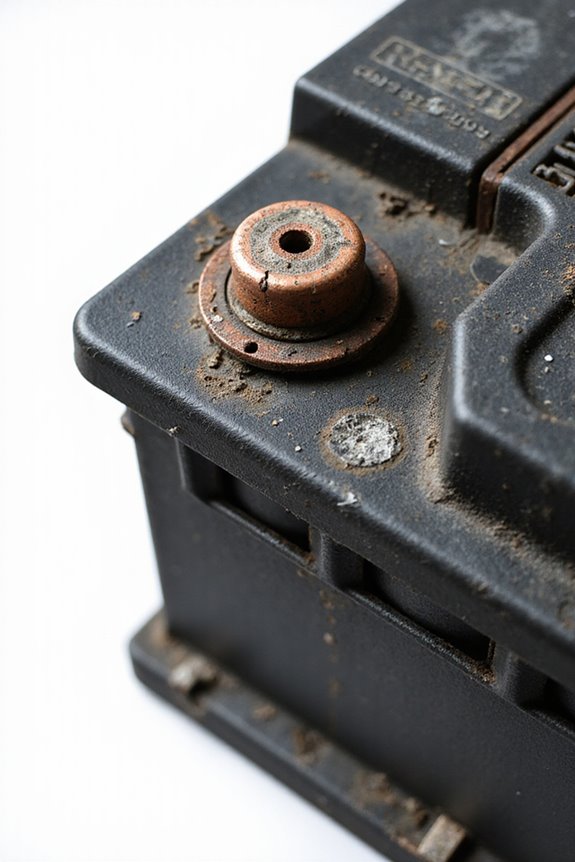
Finding a place to collect old car batteries doesn’t have to be a headache; in fact, there are several options available right in our communities.
Municipal collection locations, like city refuse departments and recycling centers, often accept batteries for free—just be sure to have proof of residency. Big retailers and auto service centers are also in on the action, where we can exchange our old batteries for recycling or call ahead to check their policies.
Local community initiatives, such as specialized recycling programs like Call2Recycle, are fantastic for responsible disposal. And don’t forget about household hazardous waste events; they’re a great opportunity for safe drop-offs. Affordable options for responsible reuse of materials, including batteries, help make our communities greener together!
Takeaway: Check local sites and retailers for recycling options.
Safe Transport of Used Batteries
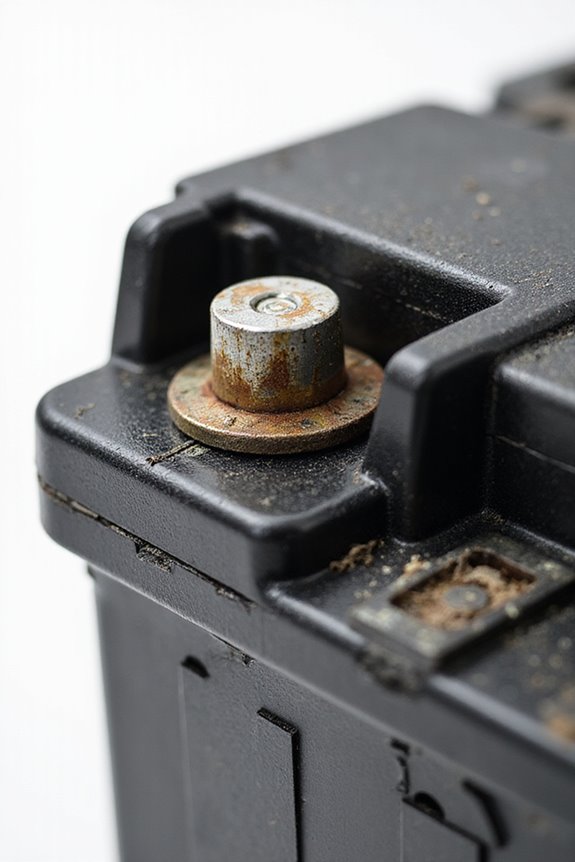
Transporting used batteries safely is essential, especially since mishandling can lead to serious hazards. Let’s follow proper transport protocols to keep ourselves—and our environment—safe.
Packaging Guidelines:
- Always tape battery terminals with non-conductive tape or bag them individually to prevent short circuits.
- Use sturdy containers like plastic tubs or fiberboard boxes, ensuring they’re secure and won’t shift during transit.
- For more than ten batteries, documentation like a hazardous waste manifest is a must. Additionally, consider using proper protective gear when handling batteries to minimize health risks.
Takeaway:
Understanding Battery Disassembly and Sorting
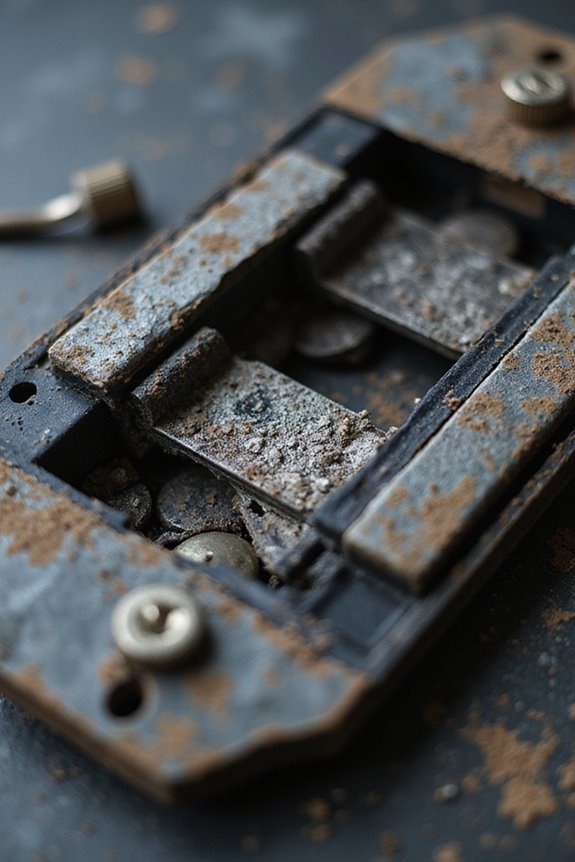
Disassembling and sorting old car batteries might sound challenging, but it’s really a step-by-step process that can be tackled with the right approach and tools. We start by safely removing the battery pack from the vehicle, taking care to disconnect high-voltage systems—this part’s essential for our safety!
Once we’ve got the pack out, we explore the modules, separating cells based on the battery design to pinpoint reusable components. It’s a meticulous task, but recycling innovations make it worthwhile. We sort materials like metals, electronics, and plastics for effective recycling—all while aiming to keep contamination to a minimum. It’s important to consider the average lifespan of batteries, as proper disposal helps in reducing environmental impact.
Takeaway: With patience and the right techniques, we can turn these old batteries into new resources, helping the environment along the way!
Handling Hazardous Components During Recycling
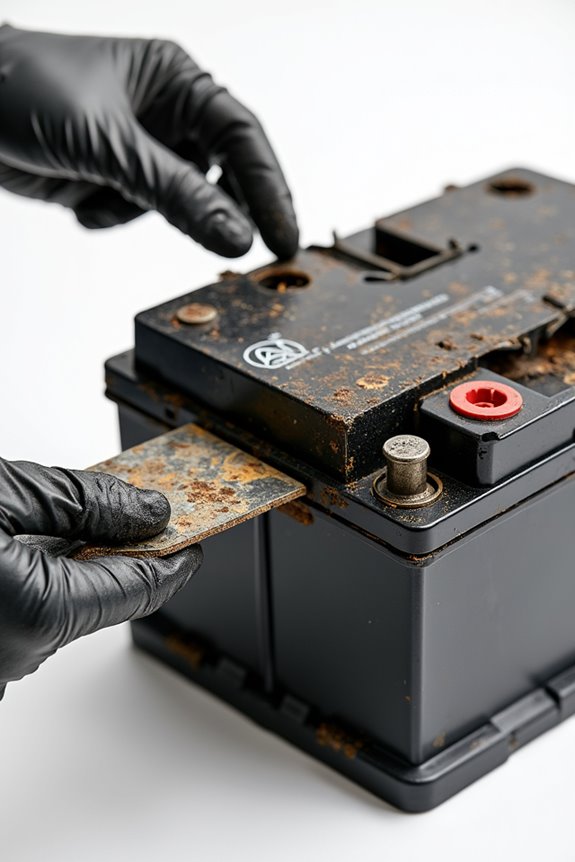
When we explore recycling old car batteries, it’s crucial to recognize the hazardous components we might be dealing with. Lead-acid batteries contain lead and sulfuric acid, both classified as hazardous waste. Similarly, lithium batteries, due to their ignitability, also present risks during recycling.
When handling these components, we need to adhere to effective hazardous waste management practices. Let’s store batteries safely, away from children and flammable materials. Cover terminals to prevent short circuits, and avoid puncturing them. Ensuring that the recycling process follows accurate diagnostics helps minimize environmental hazards associated with battery disposal.
We also have to rely on battery recycling technologies and follow local regulations, such as California’s mandates, to guarantee we’re recycling responsibly.
Takeaway: Proper safety measures keep both us and the environment protected while facilitating effective recycling.
Techniques for Material Separation and Processing
Having addressed the handling of hazardous components in old car batteries, let’s explore the techniques we use for separating and processing their materials.
Mechanical Separation
We start with mechanical separation, dismantling battery packs into smaller units. Through shredding, we break down cells, releasing materials like anodes and cathodes. Magnetic and eddy current separators help us segregate metals efficiently, but these methods don’t always tackle laminated layers effectively. That’s where thermal pretreatment comes in.
Thermal Pretreatment
By controlled heating, we reduce the adherence of active materials, making them easier to recover in the shredding process. It’s a delicate balance—too much heat can damage valuable components. Together, these techniques enhance our recycling capabilities, bringing us closer to a more sustainable future. Additionally, just as with cooling fans, energy efficiency plays a crucial role in optimizing the overall recycling process.
Takeaway
Mechanical and thermal methods work hand-in-hand to optimize material recovery.
Refining and Reusing Extracted Materials
As we plunge into the world of recycling, it’s fascinating to see how the extracted materials from old car batteries can be transformed into new, usable resources. The process begins with refining, where we recover precious metals like lead, lithium, nickel, and cobalt. With high-tech methods, including acid baths and electrohydrometallurgical processes, we achieve remarkable purity, yielding refined metals that meet battery grade quality.
These refined materials aren’t just a bonus; they’re the backbone of new batteries, molded into components just like brand-new ones. Additionally, preserving the original crystal structure during direct recycling cuts down on energy and resource needs. This isn’t just recycling; it’s redefining how we think about battery life and sustainability!
Takeaway: Recycled materials not only reduce waste but also meet high-quality manufacturing standards.
Compliance With Environmental and Safety Regulations
Maneuvering the world of battery recycling involves more than just understanding the refining processes we just discussed; it also brings us face-to-face with a patchwork of environmental and safety regulations. We need a solid grasp of the regulatory overview to guarantee compliance requirements are met.
For example, lithium-ion and lead-acid batteries are considered hazardous waste under the RCRA, while nickel cadmium batteries fall under Universal Waste rules for easier handling. States often impose stricter rules, so we must stay informed about local laws.
Guaranteeing proper labeling, containment, and safe transport is vital to avoid accidents. By understanding these regulations, we not only protect the environment but also our communities.
Takeaway: Stay compliant, stay safe.
Frequently Asked Questions
What Types of Batteries Can Be Recycled Besides Car Batteries?
We can recycle a variety of batteries besides car batteries, including lithium-ion and other rechargeable batteries. It’s important to find local facilities, ensuring we’re eco-friendly and doing our part for the planet together.
Are There Any Fees Associated With Recycling Old Car Batteries?
Yes, there’re recycling fees associated with old car batteries, often seen as core charges. Though disposal costs exist, we can typically get those back when we return our batteries, keeping recycling both responsible and cost-effective.
Can I Recycle Batteries From Electric Vehicles?
Yes, we can recycle batteries from electric vehicles! With battery safety considerations in mind, we should guarantee they’re properly handled and sent to specialized recycling facilities, helping conserve materials and supporting sustainable practices together.
How Do I Know if a Facility Is Legitimate?
To know if a facility’s legitimate, we should check their accreditation against recycling regulations. We can verify certifications like R2 or e-Stewards, ensuring they follow safety practices and maintain a responsible environmental standard together.
What Should I Do if My Battery Is Leaking?
If we stumble upon a leaking battery, we should don our superhero gear—gloves and goggles—then calmly disconnect it. Safety precautions aren’t just suggestions; they’re our lifelines! Let’s not tempt fate with battery acid!


