As an Amazon Associate, we earn from qualifying purchases. Some links may be affiliate links at no extra cost to you. Although our opinions are based on curated research, we haven't used these products. Articles generated with AI.


How Can I Improve My Car’s Exhaust System Performance?

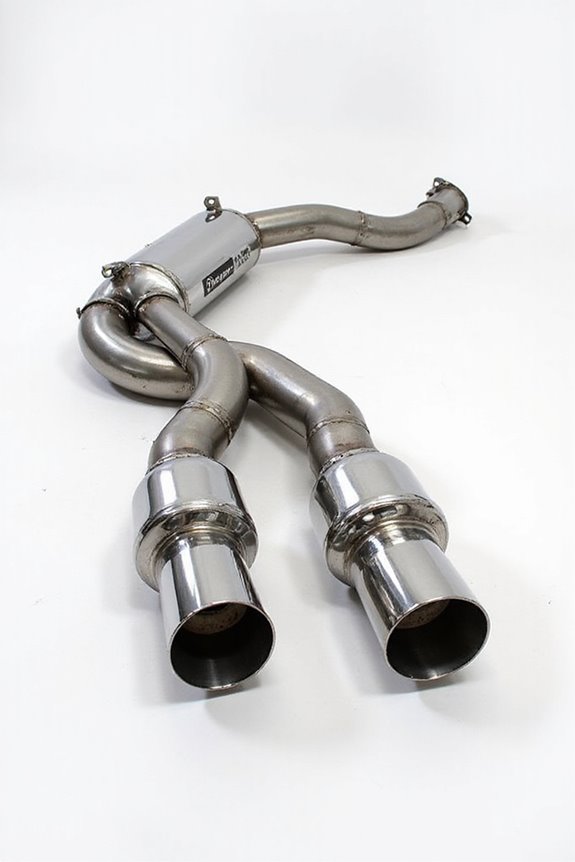
To improve our car’s exhaust system performance, we can upgrade to quality aftermarket parts like cat-back or axle-back systems, which enhance flow and sound. Choosing stainless steel materials boosts durability and rust resistance. We should minimize back pressure by avoiding sharp bends in pipes and ensuring the right diameter for ideal airflow. Let’s also keep an eye on oxygen sensors for proper emissions. If we want to get even more insights, exploring configurations and installation techniques is key.
Key Takeaways
- Upgrade to high-quality aftermarket headers to enhance exhaust gas scavenging and improve overall engine performance.
- Install a cat-back or axle-back exhaust system to boost power and customize sound without major modifications.
- Ensure proper exhaust pipe diameter and avoid sharp bends to minimize back pressure and optimize airflow.
- Regularly check and maintain oxygen sensors and catalytic converters for better emissions control and engine efficiency.
- Consider using stainless steel components for increased durability and resistance to warping or cracking.
Understanding Performance Exhaust Systems
You may be interested


When we think about squeezing out the most power from our engines, one essential component often overlooked is the exhaust system. Understanding how exhaust flow and header design play into this can make a world of difference.
- Exhaust Manifold: It collects gases from the cylinders, directing them into the exhaust pipes.
- Aftermarket Headers: These can replace stock manifolds to improve exhaust gas scavenging. A good header design, with varying tube lengths and diameters, helps control exhaust pulse timing, which is vital for power.
- Material Matters: We should opt for stainless steel for its durability and heat resistance. Additionally, using high-quality materials can prevent future issues like warping and cracking.
Takeaway: Focusing on the right exhaust components not only enhances performance; it can make our driving experience much more exhilarating!
The Importance of Reducing Back Pressure

Reducing back pressure is essential for optimizing our engine’s performance, and it’s something we shouldn’t overlook. Excessive back pressure makes our engine work harder, which leads to higher fuel consumption and reduced engine efficiency. It can trap exhaust gases, hindering combustion and ultimately cutting down on power output. When we’re cruising at high RPMs, narrow pipes might increase velocity but create drag, causing back pressure.
Takeaway:
- Aim for a balanced exhaust pipe diameter.
- Avoid sharp bends in the piping.
- Choose exhaust components wisely to minimize restriction. Additionally, ensuring that the catalyst in your exhaust system is EPA compliant can optimize emissions and enhance overall vehicle performance.
Balancing Emissions and Performance

Achieving a harmonious balance between emissions control and engine performance can feel like walking a tightrope, but it’s absolutely essential for maximizing our vehicle’s efficiency. We have to reflect on emission regulations that guarantee our cars are environmentally friendly, while still getting the power we crave.
To get the best of both worlds, we can focus on proper engine tuning and use high-quality catalytic converters that convert pollutants effectively. Remember, our exhaust system’s diameter affects airflow; if it’s too big, we might sacrifice low-end torque. Regular maintenance, like checking oxygen sensors, keeps everything in sync. Additionally, installing stainless steel mufflers can enhance performance and sound quality while ensuring durability.
Takeaway: Aim for balance! Well-tuned engines meet emission standards without skimping on performance. After all, a smooth ride shouldn’t come at the planet’s expense.
Sound Enhancements Through Exhaust Upgrades
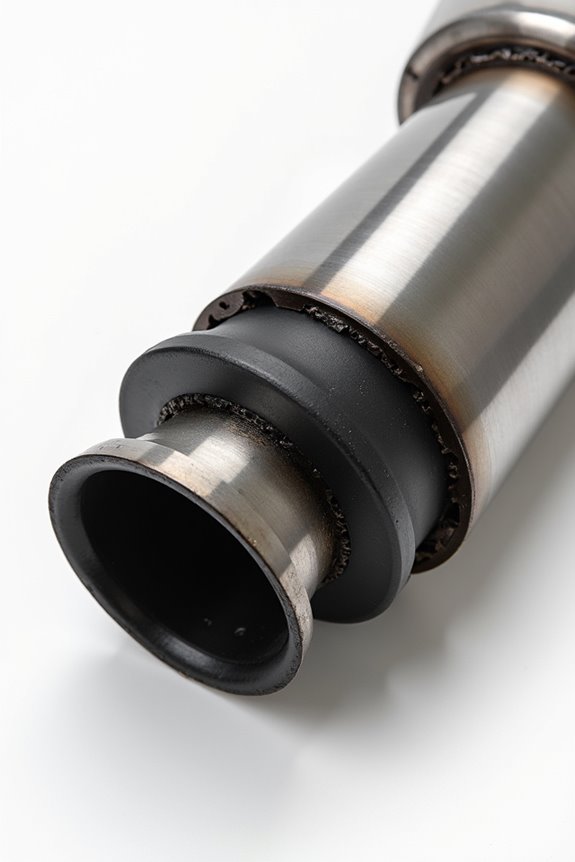
Whether we’re looking to turn heads or simply enjoy a more exhilarating drive, sound enhancements through exhaust upgrades are a fantastic way to elevate our vehicles’ auditory experiences. We’ve got options, such as axle-back systems, which are easy to install and make a noticeable impact on our exhaust sound. Or, if we desire something with more power and flow, cat-back systems can amplify that tone customization we crave.
We can even get into full exhaust systems for those truly dedicated to their ride. Plus, let’s not forget about upgraded mufflers and stylish exhaust tips—they can transform our vehicle’s sound profile entirely. Ultimately, it’s all about finding that perfect note that reflects our unique style on the road. High-quality stainless steel construction ensures durability and enhances sound output for a truly satisfying upgrade.
Takeaway: Explore various options to enhance your car’s distinctive voice!
The Role of Oxygen Sensors in Performance

When we think about maximizing our vehicle’s performance, it’s easy to become excited by the sound of an upgraded exhaust. However, we should shine a light on the unsung hero: the oxygen sensor. This essential component measures unburned oxygen in exhaust gases, helping us assess combustion quality. It generates a voltage signal that informs our engine’s computer about the air-fuel ratio, optimizing engine efficiency.
Sensor placement is key; modern vehicles often sport several sensors pre- and post-catalytic converter to monitor performance accurately. Yet, let’s not forget that sensor contamination can lead to a cascade of issues, from poor fuel economy to annoying check engine lights. To keep our engines purring, we should make certain these sensors are in tip-top shape! Additionally, proper maintenance and safety precautions are crucial for ensuring the longevity and efficiency of your engine’s components.
Choosing the Right Materials for Durability
Selecting materials for our car’s exhaust system isn’t just a matter of convenience; it’s vital for ensuring long-lasting performance. When we consider material selection, corrosion resistance becomes essential.
- Mild Steel: Inexpensive but rusts quickly, leading to a short lifespan.
- Aluminized Steel: Better rust protection than mild steel, but still not as durable as stainless options.
- Stainless Steel (304 & 409): Offers outstanding corrosion resistance. While 409 can develop surface rust, its integrity holds strong.
- Titanium: Super lightweight and heat-resistant but can be pricey and tricky to work with.
Takeaway: For durability, stainless steel is our best bet, especially in harsh climates. Remember, investing in the right material now saves hassle—and money—later! Additionally, the choice of diameter can significantly affect exhaust efficiency and performance.
Types of Performance Exhaust Configurations
Understanding the various types of performance exhaust configurations is essential for those of us looking to enhance our vehicle’s efficiency and sound.
Cat Back Systems are great for boosting both performance and that throaty growl we enthusiasts love, replacing everything from the catalytic converter to the muffler. Meanwhile, Axle Back Systems offer a simpler upgrade, focusing on the rear section, which is perfect for those wanting better sound without major changes.
When considering Header Types, we’ve got options like short-tube for tight spaces or long-tube for maximum power. Let’s not forget about performance manifolds and the beauty of custom builds, where we can fine-tune every component using mandrel bending for peak exhaust flow.
Takeaway: Tailor your setup to your needs and enjoy the ride!
Installation Considerations for Maximum Gains
Getting the most out of our performance exhaust system means paying close attention to installation considerations that can make all the difference in gains. First up is installation safety. We should always lift the vehicle on a level surface and use designated jacking points to guarantee stability. Supporting the vehicle securely with jack stands, along with using wheel chocks, is a must.
Next, let’s talk exhaust alignment. Prior to final installation, trial fitting exhaust parts can help us verify that everything lines up correctly. Heavy sections might need extra hands, too, so don’t hesitate to ask a buddy for help! Proper alignment guarantees we avoid leaks and maintain peak flow.
Takeaway: Prioritize safety and alignment for the best results!
Potential Drawbacks of Upgrading Your Exhaust System
Upgrading our vehicle’s exhaust system can be an exciting journey toward enhanced performance, but there are some potential drawbacks we should keep in mind.
Legal Implications: Modifications can stir up noise violations, leading to fines, and may void our warranties.
Performance Limitations: While some exhausts boost power, others might offer minimal gains, especially on stock vehicles.
Maintenance Costs: Quality aftermarket systems can be pricey, and ongoing upkeep can drain our wallets.
Community Impact: A louder exhaust may bother our neighbors and draw unwelcome attention from authorities.
Insurance Consequences: Our premiums could rise, or coverage might even be denied if we make unauthorized modifications.
Takeaway: We should weigh these factors carefully before making changes!
Frequently Asked Questions
How Much Horsepower Can I Gain From an Exhaust Upgrade?
Picture us cruising, feeling the rush—upgrading our exhaust can yield 5 to 25 horsepower performance gains. Quality exhaust components transform our rides, offering thrilling acceleration and a symphony of sound we crave together.
Will an Upgraded Exhaust System Make My Car Louder?
Yes, an upgraded exhaust system’ll definitely give us a louder exhaust. We should consider sound quality though, as it can change from aggressive to unpleasant. Balancing volume with tone is key for our driving enjoyment.
Can I Install a Performance Exhaust Myself?
Absolutely, we can tackle it together! With proper preparation, DIY exhaust kits, and essential exhaust installation tips, we’ll navigate the journey, ensuring our hands get dirty and our pride soars with success.
What Are the Signs of a Failing Catalytic Converter?
When we notice catalytic converter symptoms like rattling, unusual exhaust colors, or reduced acceleration, it’s time to act. Ignoring these signs might shorten our exhaust system lifespan and lead to costly repairs. Let’s address it together!
Are There Warranties Available for Performance Exhaust Systems?
Imagine our car as a ship steering through the waters of performance. Yes, performance exhaust warranties exist, and they protect our aftermarket exhaust benefits, allowing us to sail smoothly without risking troubling waves threatening our craftsmanship.