As an Amazon Associate, we earn from qualifying purchases. Some links may be affiliate links at no extra cost to you. Although our opinions are based on curated research, we haven't used these products. Articles generated with AI.


How Do I Maintain My Automotive Hand Tools?

To maintain our automotive hand tools, we should make regular inspections a priority—checking for wear and damage is key. Keeping our tools clean, with dish soap and degreasers, prevents rust and extends their life. Lubrication matters too; it reduces friction and keeps everything running smoothly. Storing tools properly in a dry place and in an organized manner avoids clutter and damage. Stick around, and we’ll share even more tips on caring for specific tools like wrenches and screwdrivers!
Key Takeaways
- Conduct regular inspections, checking for tightness, cracks, and other signs of wear to ensure safe tool use.
- Clean tools with effective products and dry thoroughly to prevent rust and maintain performance.
- Apply the appropriate lubricant to reduce friction, ensuring smooth operation and longevity of tools.
- Store tools in a dry, organized space, using moisture-absorbing agents to prevent damage.
- Treat tools with care during use and maintenance to extend their lifespan and enhance productivity.
Regular Inspection and Safety Checks
You may be interested


When it comes to keeping our automotive hand tools in excellent shape, we can’t afford to skip regular inspections and safety checks—after all, a simple oversight could lead to hazardous situations. Establishing a routine inspection frequency is crucial. We should start by checking that handles are tightly secured and free of cracks or bends.
We also need to verify tool heads, particularly on our hammers and chisels, have no burrs or deformations. Safety protocols demand we examine our wrenches and pliers, too, verifying those gripping surfaces are not worn or deformed. Additionally, regularly checking for high-speed steel durability can help maintain the effectiveness of our tools over time.
Takeaway: A quick checklist can help us stay on top of these checks. Remember, our safety depends on it!
Cleaning Techniques to Prevent Rust

Cleaning our automotive hand tools isn’t just a chore; it’s an essential step in guaranteeing they stay in top shape and free from rust. To keep our tools in pristine condition, we should choose effective cleaning products like dish soap or specialized degreasers such as EcoAir 414. After scrubbing away grease and dirt, we must rinse them thoroughly to guarantee residue removal, followed by complete drying. Using Corwipe 300 wipes can add an extra layer of rust protection. Regular cleanings will prevent the buildup of contaminants that lead to oxidation. Additionally, using high-quality tools with enhanced durability can reduce the frequency of maintenance needed. Let’s remember, a little maintenance goes a long way in preserving our trusty tools—by investing time in cleaning, we’re ultimately investing in their longevity.
Takeaway: Regular cleaning prevents rust and guarantees tool reliability.
Importance of Lubrication and Mechanical Maintenance

Maintaining our automotive hand tools isn’t just about keeping them clean; it also involves proper lubrication and mechanical upkeep, which are essential for ensuring peak performance. Effective lubrication techniques help reduce friction, preventing corrosion and wear, while keeping our prized tools running smoothly. Keeping tools in good safety compliance ensures that they remain reliable and safe to use.
Here are some quick maintenance tips:
- Use the right lubricant—oils for light jobs, grease for heavier tasks.
- Apply lubricants carefully with droppers or brushes; too much can trap dirt!
- Regularly inspect tools and clean dirt before lubricating.
Proper Storage Methods for Longevity

Storing our automotive hand tools properly is just as essential as keeping them clean and lubricated; it can greatly extend their lifespan and maintain their functionality. We should aim for effective tool organization and consider the storage climate. Ideally, let’s keep our tools in a dry place with low humidity, away from direct sunlight, which can damage those plastic handles.
Using toolboxes or pegboards can boost accessibility, and incorporating moisture-absorbing agents like silica gel packets will help prevent rust. Remember to group similar tools together, and let’s not overcrowd storage spaces; this keeps our beloved tools in pristine condition. Moreover, proper tool organization options not only facilitates access but also ensures that we can easily find the right tool when needed. With the right methods, our tools will serve us faithfully for years to come.
Best Practices for Tool Usage
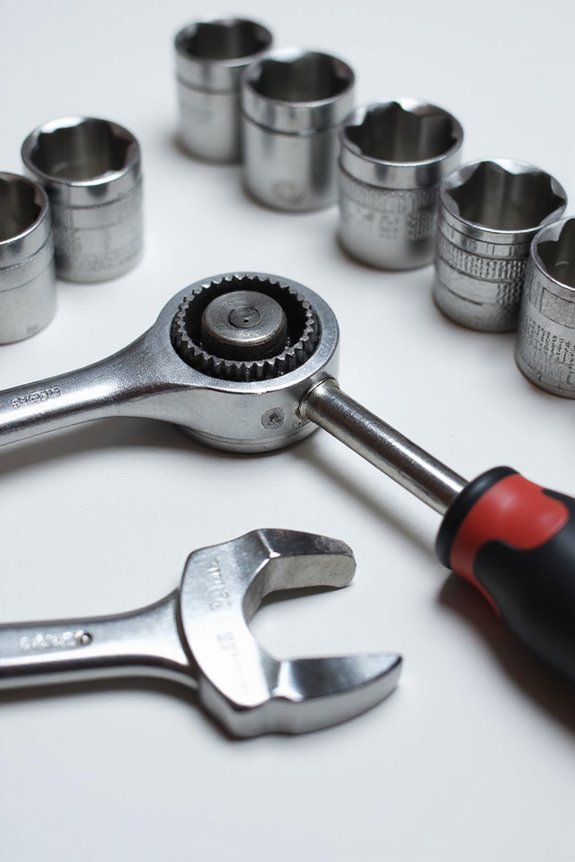
When it comes to using our automotive hand tools, knowing the best practices not only keeps us safe but also guarantees our tools work as intended, saving us time and frustration.
Tool Techniques for Usage Safety
- Inspect Regularly: Before and after each use, let’s look for any wear, damage, or dull blades.
- Use Proper Tools: Only tackle tasks suited for our tools. Misuse can lead to injury.
- Follow Guidelines: Checking manufacturer instructions guarantees safety and efficiency.
- Stay Aware: Pay attention to our body and tool positioning, avoiding slips and accidents.
- Use the Right Force: Let’s apply appropriate force, avoiding excessive pressure to maintain control.
Takeaway: By integrating these simple practices, we can help guarantee our tools serve us well for years to come. Additionally, ensuring proper installation procedures can prevent damage to your automotive tools and enhance their longevity.
Specific Care for Pneumatic Tools
While adhering to best practices for tool usage sets a solid foundation for safety and effectiveness, we can’t overlook the specific care our pneumatic tools need to perform at their best.
Let’s establish a routine: we should inspect hoses regularly for wear or leaks and always disconnect tools from air supply before maintenance. Using manufacturer-recommended pneumatic tool oil at the air inlet keeps internal parts happy—lubricate daily during high-frequency use. Additionally, ensuring that our tools have durable construction will help maintain their longevity and reliability.
Don’t forget those air filters! They’re essential for keeping debris and moisture at bay. A daily drain of compressor tanks can help, too. After all, let’s treat our tools well; they work hard for us!
Takeaway: Regular inspections, proper lubrication, and clean air supply guarantee longevity for our pneumatic buddies.
Maintenance of Wrench and Socket Sets
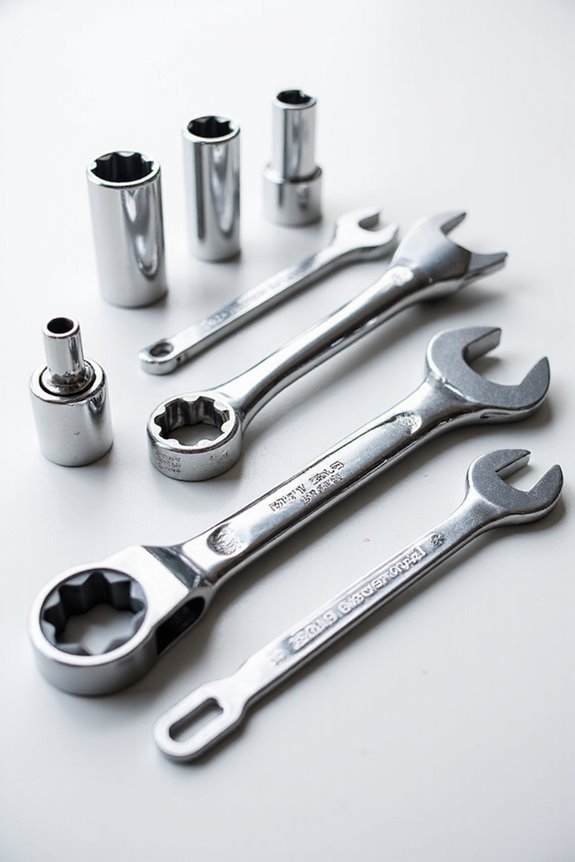
Maintaining our wrench and socket sets is essential for ensuring they work effectively for years to come. Regular wrench cleaning keeps them free from dirt, grease, and grime—simple actions can prevent corrosion and performance issues. After every use, let’s wipe them down, and don’t forget that old toothbrush for those stubborn crevices!
When it comes to socket organization, using dedicated racks or organizers can save us time and prevent damage. A quick inspection helps identify nicks or wear, especially inside sockets, ensuring our tools remain reliable. And remember, a little light lubricant keeps those moving parts functioning smoothly. By establishing a maintenance routine, we’re ensuring our trusted tools always deliver when we need them!
Protecting and Maintaining Screwdrivers
Screwdrivers, like our trusty wrench and socket sets, play an essential role in our toolbox, making it important for us to keep them in excellent condition. To protect them, let’s start with some basic cleaning. After each use, we should wipe down the shafts and handles with a lint-free cloth—this removes dirt, grease, and moisture. For stubborn grime, a lightly dampened cloth or mild solvent does wonders.
Let’s keep an eye on our screwdriver types. Always match the type and size to the screw to prevent tip damage. If we notice worn tips, it’s time for tip replacement—using a fine file can work miracles. Finally, let’s store them in a clean, dry spot to avoid corrosion.
Takeaway: Tidy and care for our screwdrivers, and they’ll serve us well!
Keeping Automotive Sanding and Polishing Tools in Top Shape
When it comes to keeping our automotive sanding and polishing tools in top shape, a little attention goes a long way. To start, let’s embrace proper sanding pad care. We can soak our pads in a pad washer right after use, keeping polish residue from drying in. And for those moments when we’re between polishing jobs, a quick blast of compressed air can help prevent matting. Speaking of polishing technique, using the right speed on our machines—under 3000 RPM—guarantees we don’t damage the surface. Finally, let’s store our pads flat. By treating our tools with care, we can guarantee they’ll serve us well on many more projects to come.
Takeaway: Regular cleaning and mindful storage make all the difference!
Frequently Asked Questions
How Often Should I Replace My Hand Tools?
We should replace our hand tools whenever we notice visible damage, excessive wear, or rust. Maintaining our tools can extend their lifespan, but recognizing when to replace them is key for ideal safety and effectiveness.
Can I Use Power Tools for Tasks Designed for Hand Tools?
We shouldn’t use power tools for hand tool tasks without caution. While power tools offer speed, hand tool advantages like precision and safety are essential. Let’s prioritize our safety and select the right tools for every job.
What Signs Indicate a Tool Is Beyond Repair?
When tools become as useless as a chocolate teapot, we realize they’re beyond repair. Look for compromised tool functionality, visible damage, or safety concerns, like sparks or cracks. Let’s keep our projects safe and effective!
How Do I Choose the Right Tool Size for a Job?
Choosing the right tool size for a job’s essential. We should measure carefully, matching the tool to the fastener. Using the correct size helps us work efficiently and prevents damage, ensuring success in our projects.
Are There Specific Brands Recommended for Automotive Hand Tools?
Have you ever wondered which tool brands stand out in quality? We recommend Snap-On and Mac Tools for their quality materials and durability, while Craftsman and Kobalt provide reliable options for budget-conscious mechanics like us.