As an Amazon Associate, we earn from qualifying purchases. Some links may be affiliate links at no extra cost to you. Although our opinions are based on curated research, we haven't used these products. Articles generated with AI.

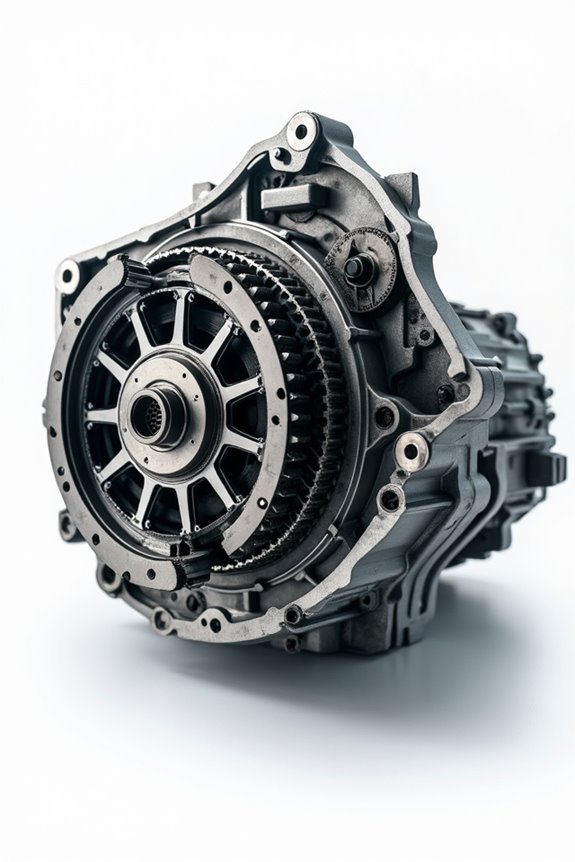
What Are Common Symptoms Of Transmission Problems?

When we notice transmission problems, there are several common symptoms to watch for. We might experience delayed gear engagement, strange noises, or slipping gears, which can affect acceleration. Don’t ignore dashboard warning lights—those little alerts could save us from costly repairs! Additionally, if we see fluid leaks or smell burning, it’s time to act. Paying attention to these signs not only keeps our ride smooth but can also prolong the life of our vehicle. Let’s explore these symptoms further!
Key Takeaways
- Delayed or failed gear engagement may signal low fluid, clogged filters, or worn components, often noticeable as a pause or jolt when shifting.
- Unusual noises, such as whining or clunking, indicate potential internal issues or worn parts in the transmission that require immediate attention.
- Transmission fluid problems, like leaks or a burning smell, suggest overheating or low levels, impacting shifting performance and necessitating regular maintenance.
- Slipping gears can lead to erratic shifts or delayed acceleration, often with the engine revving while the vehicle fails to gain speed.
- Dashboard warning lights, like a gear symbol, indicate potential transmission issues, and ignoring them can result in costly repairs or failures.
Delayed or Failed Gear Engagement
You may be interested


When it comes to our vehicles, we expect them to respond promptly—especially when we shift into Drive or Reverse. Unfortunately, if there’s a delay in gear engagement, we might feel a hesitation that leaves us wondering about our transmission’s health. A jolt as the vehicle finally lunges forward? Not a reassuring sign.
Common causes of this include low transmission fluid, clogged filters, or worn components. If we notice a noticeable pause before gear engagement, it’s time for transmission diagnostics. Ignoring these symptoms might lead to costly repairs or unsafe driving conditions. Additionally, regular checks on parts like the fuel pump can enhance overall vehicle performance, preventing further complications down the road.
Takeaway: Regular checks on fluid levels and components not only enhance our safety but also keep our vehicles running smoothly. Let’s stay proactive!
Unusual Noises Originating From Transmission
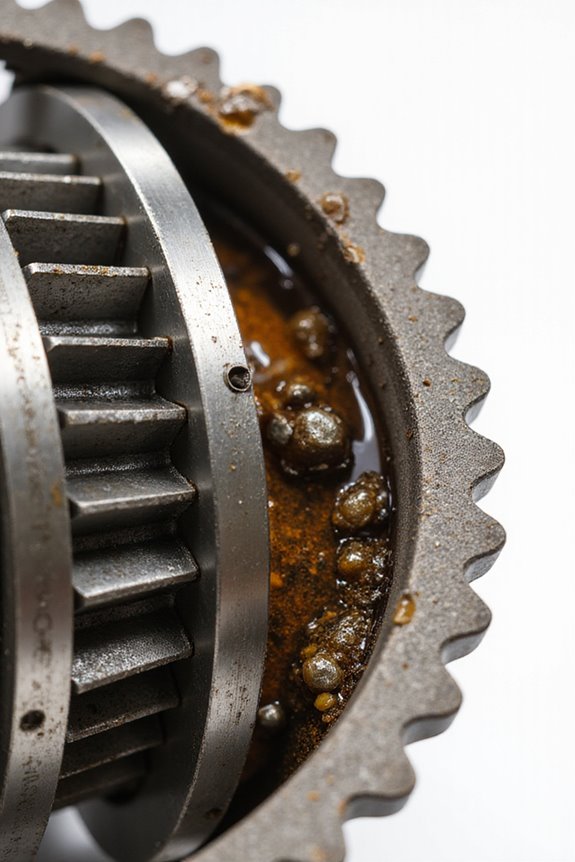
Unusual noises coming from our transmission can be concerning, to say the least. If we start hearing persistent whining noises, it often signals worn bearings or problem gears that can worsen with speed. Similarly, clunking sounds during acceleration could hint at slipping gears or worn components, begging for our attention.
So, what should we look out for? Here are some key indicators:
- Whining Noises: High-pitched drones indicating wear.
- Clunking Sounds: Occurring when we shift gears, suggesting internal issues.
Takeaway: If we notice these unusual sounds, it’s a good idea to have our transmission inspected. Ignoring them might lead to more extensive—and costly—repairs down the road. Listening closely is key! Additionally, corrosion resistance in brake lines is crucial for overall vehicle safety and performance, highlighting the importance of maintaining transmission integrity as well.
Recommended Products

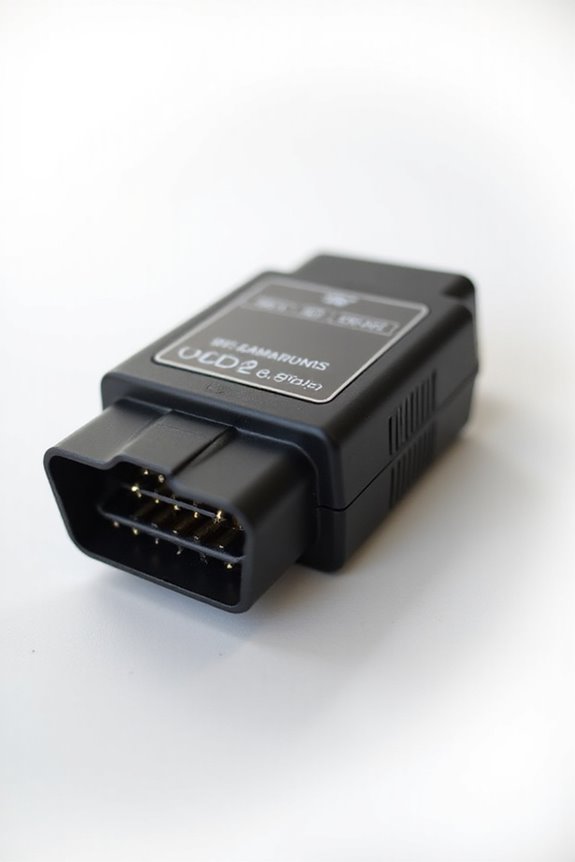
[Easy to Use—Work Out of the Box] + [FOXWELL 2026 New Version] FOXWELL NT604 Elite scan tool is the 2026 new version from FOXWELL, designed for car owners who want to figure out the cause of issues before fixing car problems by scanning common systems like ABS, SRS, engine, and transmission. The NT604 Elite obd2 scanner diagnostic tool comes with the latest software—no need to waste time downloading software first. Plug the scanner into the OBDII port with OBDII cable to start the diagnosis.

CEL Doctor: The ANCEL AD310 is one of the best-selling OBD II scanners on the market and is recommended by Scotty Kilmer, a YouTuber and auto mechanic. It can easily determine the cause of the check engine light coming on. After repairing the vehicle's problems, it can quickly read and clear diagnostic trouble codes of emission system, read live data & hard memory data, view freeze frame, I/M monitor readiness and collect vehicle information.
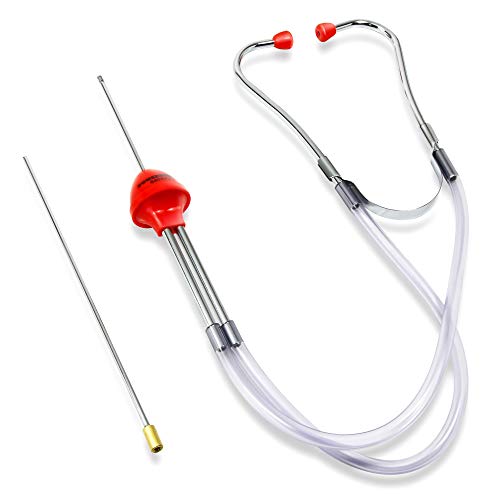
PURPOSE BUILT: Helps diagnose engine issues in valvetrains, bearings, transmissions, gears, and more
Transmission Fluid Problems
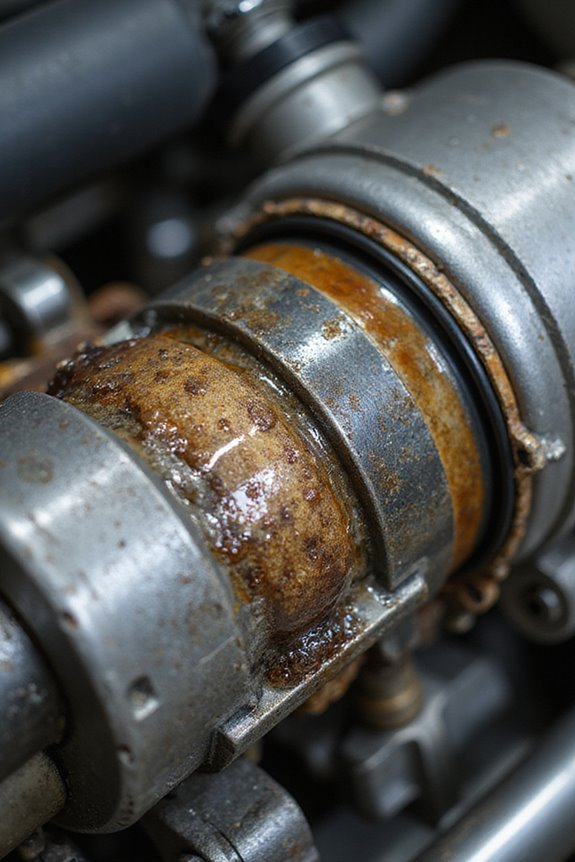
Transmission fluid plays an essential role in keeping our vehicle’s transmission running smoothly, so it’s important to stay on top of its condition. If we notice bright red or reddish-brown puddles under our vehicle, that could mean we have a transmission fluid leak. Worn seals or damaged hoses may be the culprits.
We should never ignore a burning smell, as that could mean our fluid’s overheated or low, which is a recipe for disaster! Additionally, contaminated fluid can lead to rough shifting, irritating, right? Regular fluid maintenance is essential to guarantee our fluid stays clean and effective. Checking those fluid levels and staying diligent can save us from bigger problems down the road. Choosing the right differential fluid can also enhance overall drivetrain efficiency.
Takeaway: Keep an eye on fluid quality, and don’t hesitate to consult a professional!
Recommended Products

STOPS LEAKS, SLIPPING AND ROUGH SHIFTING: Reduces rough shifting and friction, while eliminating slip, controlling temperature, and repairing shudder, chatter and whining.

Eliminates Slipping: Performance additives restore bands & clutches to stop slip, eliminate hesitation and reduce rough shifting.

SEAL CONDITIONER: Stops current and prevents future leaks by protecting and reconditioning seals.
Slipping Gears and Loss of Power
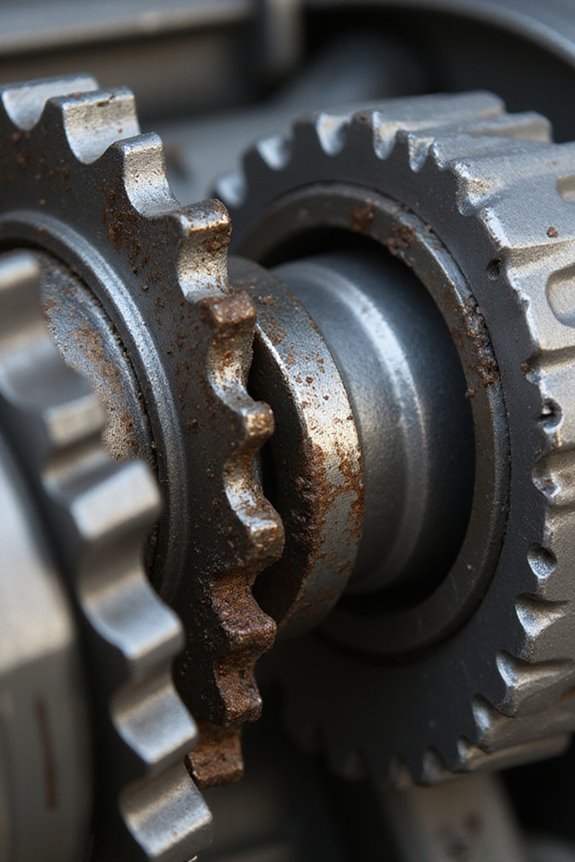
Slipping gears and loss of power can really throw a wrench in our driving experience, can’t they? We might notice delayed acceleration, erratic shift patterns, or sudden downshifts that jolt us. It can feel frustrating when the engine revs but the car barely moves; that’s likely due to gear wear or torque failure.
Here are some symptoms to watch out for:
- Difficulty staying in gear, causing unexpected slips.
- Loud engine revs without a speed increase.
- Noticeable hesitation or lag with acceleration.
When we encounter these issues, it’s crucial to address them quickly. Ignoring them can lead to more significant problems down the road. High-quality transmission fluids can significantly enhance vehicle performance and longevity.
Takeaway: If you’re experiencing these symptoms, a thorough inspection is in order to prevent further damage.
Warning Lights and Dashboard Indicators
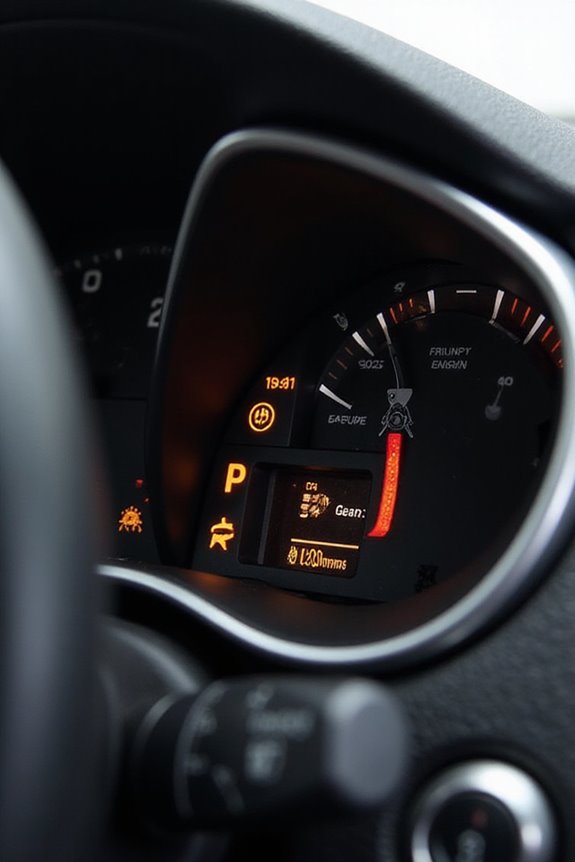
When we’re driving, the last thing we want is for dashboard warning lights to pop up unexpectedly like unwelcome guests at a party. These lights play an important role, alerting us to potential transmission issues before they escalate. For instance, a gear symbol with an exclamation mark or a thermometer often signals fluid problems or overheating.
Ignoring these dashboard alerts can lead to costly repairs or, worse, total transmission failure. It’s essential to understand the warning light meanings unique to our vehicles. A little attention now can save us from bigger headaches later. Additionally, ensuring optimal performance with high-performance brake pads can help maintain vehicle safety during any braking maneuver. So, next time that light flickers, let’s not ignore it—after all, prevention is key!
Recommended Products

UNDERSTAND YOUR CHECK ENGINE LIGHT – The ANCEL AD410 OBD2 scanner helps everyday drivers quickly read and clear engine-related fault codes, view code definitions, and understand why the check engine light is on before visiting a repair shop. With 42,000+ built-in DTC lookups, this car code reader helps reduce guesswork and makes basic vehicle diagnostics easier for beginners and DIY users

[Understand Car Problems Faster] ANCEL DS100 helps DIY car owners read and understand vehicle issues before going to a repair shop. It supports full OBD2 diagnosis and 4-system scans for Engine, ABS, SRS, and Transmission, giving you a clearer view of your car’s health

Burning Smell and Overheating Symptoms
A strong burning smell coming from your vehicle isn’t just a nuisance; it’s a loud warning that something’s amiss with the transmission. This odor often means transmission overheating or fluid contamination. When transmission fluid gets too hot, it can lose its lubricating properties, leading to potential damage.
If we notice that burnt scent, it might be time to check for fluid leaks or low levels that can exacerbate overheating. Ignoring these signs could lead to bigger issues down the road. Regular maintenance checks on our transmission fluid can prevent overheating and keep our vehicle running smoothly. Additionally, keeping an eye on brake fluid replacement can further enhance vehicle safety and performance.
Takeaway: Regular maintenance checks on our transmission fluid can prevent overheating and keep our vehicle running smoothly. If that burning smell shows up, let’s not wait—getting professional help early can make all the difference!
Jerking or Lurching on Acceleration
Experiencing that sudden jerk or lurch when accelerating can feel unsettling, almost as if our vehicle is having a mini tantrum. This jerking sensation often points to transmission fluid issues—like low or dirty fluid—making gear shifts rougher than they should be. Regular fluid maintenance is crucial, ensuring our transmission operates smoothly and efficiently.
If we find our car straining during acceleration, it’s essential to use diagnostic tools. These can help identify internal wear or even electronic faults causing erratic shifting. Remember, persistent jerking isn’t just annoying; it could lead to bigger problems down the road. So, let’s keep an eye on that fluid level and address any signs of trouble sooner rather than later!
Takeaway: Pay attention to that lurch. Early action can save us headaches!
Transmission Fluid Leaks
Transmission fluid leaks are often more common than we might think, and spotting them early can save us from a heap of trouble. Have you ever noticed reddish or brownish puddles beneath your vehicle? That’s a telltale sign of a leak. Fresh fluid is usually bright red; as it ages, it darkens, making leak detection essential for fluid maintenance.
It’s slippery to the touch, so if you find some, don’t hesitate to check further. Ignoring these leaks can lead to low fluid levels, overheating, or even serious transmission problems. Regular inspection and prompt action can prevent costly repairs down the road. Remember, keeping an eye on our transmission fluid can keep our rides smooth and reliable!
Recommended Products

16 ounces / 474 ml (good for 16 tests in Block Tester brand combustion leak tester)

Detects combustion leaks on diesel engines

Engineered to stop leaks: Advanced formula conditions and rejuvenates worn transmission seals, helping stop existing leaks and prevent future fluid loss for smooth, reliable performance
Fluid Color and Consistency Issues
Fluid color and consistency can tell us a lot about the health of our vehicle’s transmission, much like how a quick glance at a person’s face might reveal their mood.
Here’s what we need to know:
- Bright red fluid? We’re in the clear—new or well-maintained!
- Dark red indicates normal aging but stay alert for debris.
- Brown fluid? Time for a change, oxidation’s kicking in.
- Dark brown or black? Yikes! Immediate attention needed to prevent damage.
- Pink fluid means contamination, often from a radiator leak—uh-oh!
Also, thick or sticky fluid suggests overheating, while a milky appearance points to water contamination—a serious red flag! Regular checks on fluid viscosity and contamination sources can save us from bigger headaches down the road.
Takeaway: Never ignore fluid changes; they keep our vehicle’s heart pumping smoothly!
Recommended Products
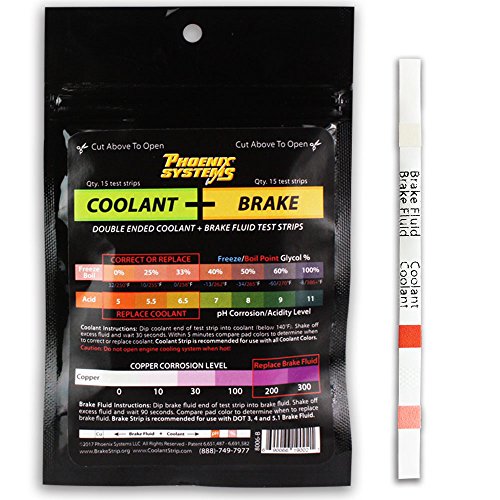
15 Double-Ended brake fluid tester and coolant

【Transmittance Test】 Apply to test the transmittance of transmission fluid and reflect the impurities, pollutants, or sediments in the fluid. Indicates [ OK ] when the transmittance is between 100% and 50%, [ ! ] when the transmittance is between 50% and 30%, and [ X ] when it is below 30%.

EASILY DIAGNOSE YOUR VEHICLE: The ABN Engine Oil Pressure and Transmission Fluid Diagnostic Tester Tool Kit – 500 PSI / 35 Bar Gauge, Hose, and Adapters makes diagnosing a possible major engine, oil pressure, or transmission fluid pressure problem easy on most vehicles including both American domestic and imported cars and small pickup trucks
Frequently Asked Questions
How Can I Check My Transmission Fluid Level?
To check our transmission fluid level, let’s warm the engine, shift to Park or Neutral, find the dipstick, and use checking techniques to ascertain it’s at the recommended level. Regular checks keep our transmission healthy.
What Maintenance Can Prevent Transmission Problems?
To prevent transmission problems, we should regularly schedule fluid changes and consider a transmission flush. Staying proactive with these maintenance tasks helps us guarantee our vehicles run smoothly and efficiently, keeping us on the road longer.
When Should I Replace My Transmission Fluid?
We should replace our transmission fluid every 50,000 to 60,000 miles, depending on transmission types. Utilizing fluid additives can enhance performance, while neglecting replacement invites trouble. Let’s prioritize this maintenance together for lasting reliability.
Can Driving Habits Affect Transmission Lifespan?
Yes, our driving techniques and vehicle load definitely affect transmission lifespan. By avoiding aggressive habits and respecting weight limits, we can help guarantee our transmissions remain healthy and last longer for those cherished road trips together.
Is It Safe to Drive With Transmission Issues?
We can’t ignore transmission issues! When we spot warning signs, like unusual noises or slipping, it’s essential for our safety. Driving with problems compromises our transmission safety and puts us and others at risk.