As an Amazon Associate, we earn from qualifying purchases. Some links may be affiliate links at no extra cost to you. Although our opinions are based on curated research, we haven't used these products. Articles generated with AI.


Why Are Some Aftermarket Parts Not Covered By Warranty?

Some aftermarket parts aren’t covered by warranty because if something goes wrong, manufacturers must show that the part or its installation caused the issue. If it’s proven, they might deny the claim. However, good quality parts and proper installation can keep your warranty intact. It’s crucial to know your rights under the Magnuson-Moss Act and maintain documentation. Curious about how to navigate these warranty policies? We’ve got more tips and insights coming up!
Key Takeaways
- Warranties can be denied if aftermarket parts directly cause malfunctions or failures in the vehicle.
- Improper installation of aftermarket parts may lead to denial of warranty claims, especially if it results in secondary damage.
- Manufacturers must specifically prove that an aftermarket part caused the issue to refuse warranty coverage.
- Non-certified aftermarket parts can lead to safety issues and potential warranty voidance due to inspection failures.
- Misleading claims about warranty voidance are common; understanding warranty terms is crucial to avoid issues with aftermarket parts.
Understanding Warranty Protections Under the Magnuson-Moss Act
You may be interested


When we talk about warranties and the use of aftermarket parts, it’s essential to understand the protections offered by the Magnuson-Moss Warranty Act (MMWA). This law guarantees that manufacturers can’t just void our warranty because we chose aftermarket parts. In fact, warranty protection remains intact as long as those parts don’t cause a failure.
Some key points we should keep in mind:
- Aftermarket benefits are allowed without losing warranty coverage.
- Manufacturers must prove an aftermarket part caused a problem; mere presence isn’t enough.
- The MMWA combats deceptive practices, offering us peace of mind.
- Choosing high-quality coolant reservoirs can enhance performance without risking warranty coverage.
Takeaway
Conditions for Warranty Denial Related to Aftermarket Parts

Steering through warranty claims can feel intimidating, especially when it comes to aftermarket parts. We often find ourselves wondering, “How can I avoid aftermarket part risks that might lead to warranty denial?” Understanding warranty eligibility criteria is essential here.
If an aftermarket part directly causes a malfunction related to your warranty claim, or if it damages covered components, your warranty could be at risk. Even defective aftermarket parts can trigger a denial. We must remember that proper documentation is essential: manufacturers need to provide a written explanation detailing how the part led to the failure. Additionally, selecting high-quality materials when choosing aftermarket parts can help mitigate issues that may affect warranty claims.
Takeaway: Staying informed and keeping good records can help navigate these tricky waters. After all, we deserve fair treatment when it comes to our hard-earned investments.
Recommended Products

Designed, engineered, tested, and warranted for GM vehicles

Turbo/Boosted Diagnostic Capabilities: Vacuum EVAP (Fuel Vapor Recovery) Exhaust Oil Manifolds Brake Boosters EGR Valves Seals, Gaskets, Brake Vacuum Hoses Cooling Systems Wind and Water Leaks Diaphragms Central Locking Systems And Much More

Marine grade pre-galvanized steel frame, 78" wide x 159" long
The Impact of Improper Installation on Warranty Coverage

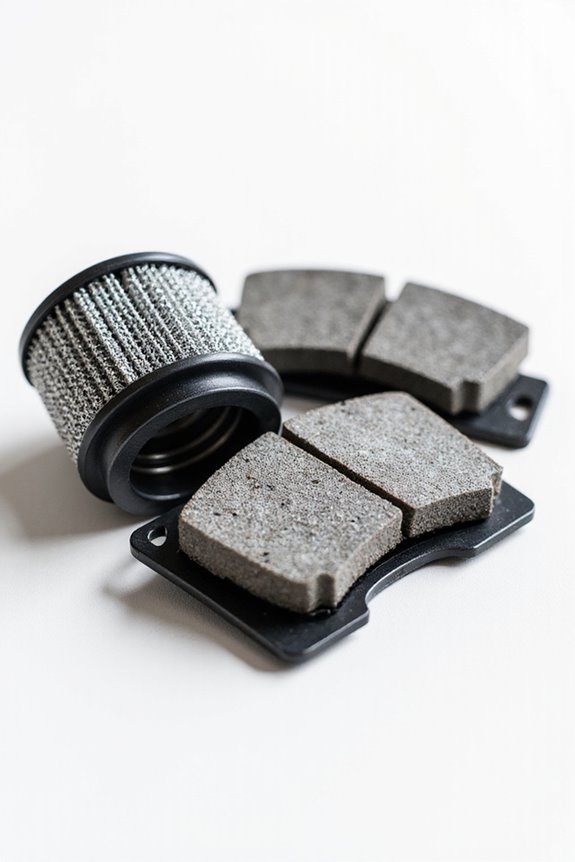
Maneuvering through the complexities of warranty coverage can sometimes feel like a minefield, particularly when it comes to the installation of aftermarket parts. When improper installation occurs, we risk not just a denial of our warranty claims but also the possibility of secondary damage to our vehicle’s systems. Imagine your new brake pads failing, leading to further issues that spiral out of control—yikes!
Manufacturers must prove that these installation errors directly caused the problem to deny coverage, but steering through this process can be tricky. It’s essential for us to review warranty terms carefully and guarantee installations follow the manufacturer’s guidelines. After all, a little diligence can save us from costly repairs and heartache down the road. Furthermore, proper installation of components, such as brake systems, ensures that they function correctly without risking further complications.
Takeaway: Improper installation can limit warranty coverage if secondary damage is involved.
Recommended Products

Includes Three Light Weight Aluminum Lifting Gates for Easy Access to the Truck Bed

Fits: 2012 2013 2014 2015 2016 2017 2018 2019 GMC SIERRA 3500 HD DRW | 2012 2013 2014 2015 2016 2017 2018 2019 CHEVROLET SILVERADO 3500 HD DRW
Fits: 2011 2012 RAM 3500 Dual Rear Wheels | 2009 2010 DODGE RAM 3500 PICKUP Dual Rear Wheels
Quality Comparison Between Aftermarket and OEM Parts

While we may find great deals with aftermarket parts, understanding the quality difference compared to OEM parts can be a game-changer for our vehicles.
When it comes to aftermarket quality, it’s a mixed bag. Sure, some aftermarket parts rival OEM standards, enhancing designs and durability. But others? Well, let’s say they may not be a good fit—literally and figuratively.
Key Points to Evaluate:
- Consistency: OEM parts are made to exact specifications, ensuring reliability.
- Variety: Aftermarket parts often fit multiple models, offering choices but with variable quality.
- Brand Reputation: Trustworthy aftermarket brands can provide great quality; do the research!
Takeaway: We need to weigh affordability against performance to make the best choice for our rides. Quality might just be worth the extra bucks! Additionally, some aftermarket rotors, like the drilled and slotted designs, can significantly enhance heat dissipation and braking efficiency.
Recommended Products

Powerful Engine: Equipped with a robust 250cc air-cooled engine, delivering thrilling performance and acceleration.

Complete Kit contains all necessary components

Inspected for balance, resulting in smooth brake operation and noise reduction
Common Misconceptions About Aftermarket Parts and Warranties

When we start considering aftermarket parts, many myths pop up regarding their impact on our vehicle’s warranty. Let’s clear away some of that warranty confusion! A common belief is that using aftermarket parts automatically voids our warranty—this isn’t true. According to federal regulations, warranties only get impacted if a particular aftermarket part is faulty or improperly installed and leads to damage. Interestingly, some dealers might claim warranty voidance just to discourage aftermarket use. Remember, they must prove that an aftermarket part caused the failure to deny a claim. So, don’t let those aftermarket myths cloud our judgment—understanding these facts can help us make informed choices while keeping our warranties intact! Additionally, investing in quality aftermarket parts can enhance user satisfaction, reducing the likelihood of issues that could affect your warranty.
Takeaway: Use of aftermarket parts isn’t a warranty killer, just guarantee they’re quality components!
The Importance of Maintenance Records for Warranty Claims
Having well-documented maintenance records is crucial for us if we want to make warranty claims successfully, as these records provide the proof manufacturers need to verify our adherence to their guidelines. Let’s not underestimate the importance of record retention—without those critical receipts and logs, we risk denial of our claims.
To keep things straightforward, here are a few crucial documents to maintain:
- Records of oil changes, detailing date, mileage, and oil type
- Receipts for parts replaced and services performed
These documents allow us to show we’ve cared for our vehicle. They also act as clear maintenance documentation that speeds up the claims process, reducing confusion and ensuring we’re on solid ground when seeking assistance. Keeping documentation of high-quality oils like full synthetic options can further demonstrate our commitment to maintaining optimal engine performance.
Takeaway: Well-kept records are our best friends in warranty claims!
Insurance Implications for Aftermarket Modifications
Maneuvering the insurance landscape for aftermarket modifications can feel a bit like trying to decipher a foreign language; with countless policies and coverage options, it’s easy to get lost. We’ve all heard that feeling when our exciting mods come with scary insurance premium adjustments. Many standard auto policies exclude coverage for aftermarket parts unless we grab specific endorsements.
Here are some things to examine:
- Custom Parts Coverage: Protects those snazzy add-ons.
- Agreed Value Coverage: Locks in vehicle value, including mods.
- Replacement Cost Coverage: Helps replace those pricey custom parts.
Let’s not forget that performance mods can hike premiums, while safety upgrades might earn us discounts. So, always disclose your changes; avoiding surprises is key!
Takeaway: Know the right coverage types for your mods!
Recommended Products
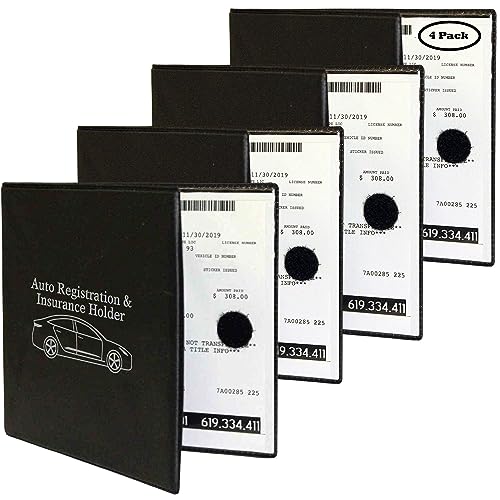
4 pack Car Registration and Insurance Card Holder for any Car, Truck, Motorcycle, or Automotive Vehicle. Easy to store In any visor or glovebox. CAR ORGANIZATION: this easy...
Compliance With Vehicle Inspection Standards
Understanding the ins and outs of vehicle inspections can feel like maneuvering through a maze, especially as we add aftermarket parts to our rides. We must remember that compliance with inspection standards is essential. Aftermarket regulations often require certain parts—like brakes or lights—to meet safety guidelines.
If we choose parts that aren’t certified, our vehicles might not pass inspection, and that could leave us in a bind.
Takeaway:
- Federal and state regulations enforce safety compliance.
- Failure to meet standards might lead to rejected inspections.
- Always verify aftermarket parts for certification to avoid unhappy surprises.
Navigating Dealer and Manufacturer Policies on Aftermarket Parts
When we’re diving into dealer and manufacturer policies on aftermarket parts, it’s important to remember that clarity can sometimes feel like a luxury. Many dealers might deny warranty claims for aftermarket parts if they can prove that those parts caused damage, but they often don’t provide clear reasons. So, we end up in a gray area regarding dealer transparency.
To navigate this, we should keep records of our vehicle’s maintenance—this way, we can defend our right to warranty coverage. Manufacturers usually vary in their approach, but federal laws like the Magnuson-Moss Warranty Act protect us, ensuring that they can’t simply void our warranty because of aftermarket quality parts.
Takeaway: Always ask for written explanations from dealers!
Frequently Asked Questions
What Are the Advantages of Using Aftermarket Parts Over OEM?
Using aftermarket parts offers us cost savings and a variety of performance upgrades, making them a smart choice for budget-conscious repairs. We can enhance our vehicles without breaking the bank while enjoying better availability and options.
How Can I Prove Aftermarket Parts Didn’t Cause Damage?
To prove aftermarket parts didn’t cause damage, we should gather damage causation evidence through detailed maintenance records and aftermarket part inspections. Documenting everything helps us present a strong case to support our claims confidently.
Are There Specific Aftermarket Brands Known for Quality?
Absolutely, we can trust certain aftermarket brands like Bosch, Bilstein, and ACDelco for their quality assurance. They’ve built strong reputations, ensuring that we get reliable performance without compromising on safety or durability.
Can Warranty Claims Be Denied if I Use Recycled Parts?
Yes, warranty claims can be denied if recycled parts contribute to damage. However, if no direct link exists between the recycled parts and the failure, we can still maintain our warranty coverage.
What Should I Do if My Warranty Claim Is Denied?
If our warranty claim’s denied, let’s gather our docs and calmly reach out to the provider about the warranty appeal process. Understanding warranty exclusions helps us navigate this challenge together and increase our chances of success.