As an Amazon Associate, we earn from qualifying purchases. Some links may be affiliate links at no extra cost to you. Although our opinions are based on curated research, we haven't used these products. Articles generated with AI.


How Often Should I Replace My Car Wiper Blades?

We recommend replacing your car wiper blades every 6 to 12 months, depending on how much you use them and the weather in your area. If you drive frequently in harsh conditions, it’s smart to replace them closer to every 6 months. Keep an eye out for signs like streaking or chattering, as these indicate it’s time for a change. Want to learn more about maintaining those blades for peak performance? Let’s keep going!
Key Takeaways
- Replace car wiper blades every 6 to 12 months, depending on usage and climate conditions.
- Frequent use or harsh weather necessitates replacements every 6 months.
- Milder climates and less frequent use may allow for 12-month replacements.
- Regular checks during oil changes help maintain optimal wiper health and performance.
- Signs of deterioration, like streaking or skipping, indicate immediate replacement is necessary.
Recommended Replacement Frequency
You may be interested


When it comes to replacing car wiper blades, we’ve found that the general rule of thumb suggests doing so every 6 to 12 months. Depending on our driving habits, we might need to replace them more often—especially if we’re in harsh weather or using them frequently. Those who drive in sunny climates should remember that UV rays can speed up wear, while cold conditions can have a similar effect.
Here’s a quick breakdown:
- Every 6 months: Frequent use, harsh weather.
- Every 12 months: Mild climates, less frequent use.
For the best results, we should keep an eye on them during regular oil changes. It’s also beneficial to select high-quality wipers, like the Rain-X WeatherBeater Wiper Blades, which are designed to maintain even contact for streak-free performance. So, let’s stay proactive and keep that visibility clear!
Signs Indicating Replacement Is Required

While keeping track of how often we ought to replace our wiper blades is important, recognizing the signs that indicate it’s time for a change is just as essential. Here are some clear indicators we shouldn’t ignore:
- Streaking or Smearing: If our windshield resembles an abstract art piece due to visible streaks, it’s definitely time for new blades. This often comes from rubber degradation.
- Skipping or Chattering Movement: When our wipers skip and jump, they’re not just having a bad day; that’s a sign of trouble.
- Visible Rubber Damage: Cracks and splits in the rubber mean we need to act fast.
- Squeaking Noises: Loud wipers? They’re signaling us for replacement.
- Ineffective Cleaning: If leftovers from rain or snow cling stubbornly to our windshield, we understand what to do.
Takeaway: Regularly check our wiper blade materials for wear to maintain safety. Proper maintenance of car components, like wiper blades, ensures a safe driving experience.
Recommended Products

An ideal way to keep your windshield clear in rain, or while riding through mud and water

All-Weather Functionality: Wipe away rain or snow with this Polaris Windshield Wiper & Washer Kit. The 16-inch mounted wiper and washer kit for your UTV windshield provides you with clearer vision for a safer ride in any weather condition.

One (1) Windshield Wiper & Washer System
Climate and Environmental Impact
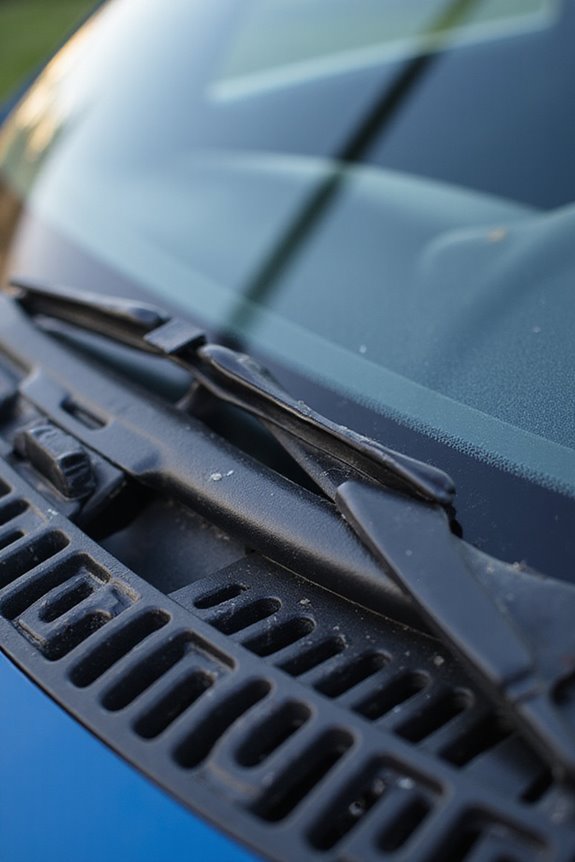
Climate and environmental factors can play a significant role in determining how often we ought to replace our car wiper blades. We realize that extreme heat impacts the rubber, making it brittle and cracked if we don’t check regularly. In hotter climates, blades may only last six months.
Conversely, cold weather can make them stiff, leading to fractures. It’s a careful balance—moisture effects from rain can wear them down, while lack of use in dry areas can leave them stiff and ready to break. Additionally, regular maintenance, similar to checking car cover durability, ensures that all vehicle components remain in optimal condition.
Takeaway: No matter where we live, we must stay vigilant about checking and replacing our wiper blades according to our local climate. It’s an easy task that guarantees our visibility and safety while driving!
Maintenance Tips to Prolong Blade Life
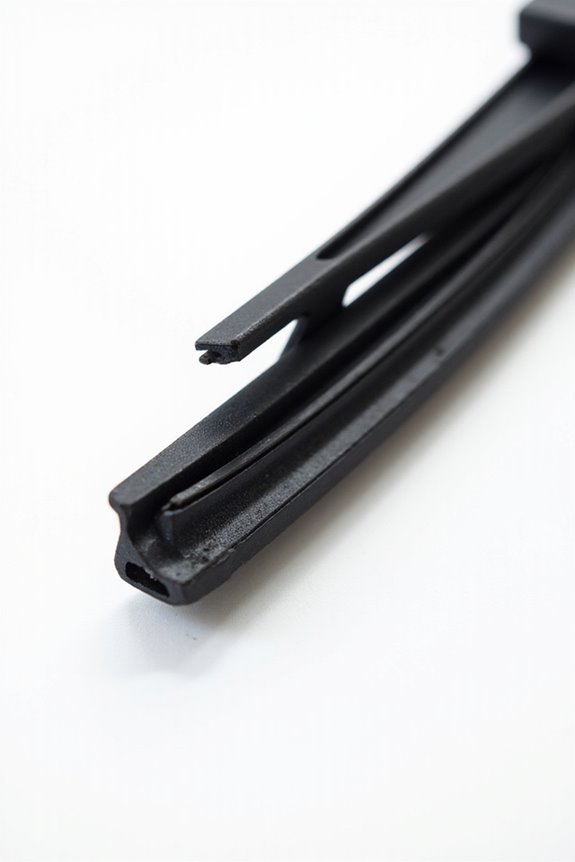
Maintaining our wiper blades is a lot like giving our car a little love—after all, those little rubber strips are essential for keeping our vision clear on the road! Here are some handy wiper maintenance tips to extend their life and effectiveness:
- Regular Cleaning: Use mild soap and water to clean blades, gently lifting them to avoid scratching the windshield.
- Proper Use: Avoid using wipers on dry surfaces or for ice removal, as this causes damage.
- Seasonal Checks: Lift blades in winter to prevent freezing, and clean them after salt exposure. Additionally, consider using long-lasting formulas that provide a more effective performance in differing weather conditions.
Recommended Products

ULTIMATE LONGEVITY: 10-Year/Million Mile Limited Warranty protects for the life of your vehicle.

UV is versatile technology used for disinfecting water, other opaque liquids, hard surfaces and Air.

COMPATIBLE WITH SATURN ASTRA (2008-2010): Built for XE, XR & HB XR. This Pedal Commander throttle response controller optimizes 1.8L engines for confident passing power during family vacations, weekend getaways, and fully loaded travel.
Different Types and Their Durability

Knowing how to care for our wiper blades sure helps, but it’s also important to choose the right ones for our cars. Let’s explore the different wiper blade types and their durability differences.
- Standard Blades: Last 6-12 months, affordable but prone to wear.
- Spoiler Blades: 8-12 months, great for high speeds with moderate durability.
- Retrofit Flat Blades: 12-18 months, best for harsh climates—minimal ice build-up.
- Hybrid Blades: 12-15 months, balance performance and longevity with a cool design.
Selecting the right type not only affects how long they last but also how well they perform. Additionally, investing in better materials can save us the headache of frequent replacements—so choose wisely!
Recommended Products

【Application】: For BMW N54B30 3.0 TURBO. Please read the description for details.


Package Dimensions: 9.0" L x 2.0" W x 2.0" H
Practical Considerations and Recommendations
When it comes to wiper blade maintenance, we can’t afford to take any chances—after all, we rely on them for clear visibility in tough weather. We recommend replacing our wiper blades at least once a year, even if they seem fine. Remember, our driver habits impact their lifespan; frequent highway speeds and exposure to harsh elements can wear them down faster.
With all the wiper technology advancements, we now have options like silicone blades, which may last longer under challenging conditions. To stay ahead, let’s inspect our wipers monthly for signs like streaking or tearing. Keeping track of replacement schedules during regular maintenance guarantees we won’t miss an essential moment when good visibility is needed the most. Regularly replacing brake fluid can also help maintain overall vehicle safety and performance, allowing us to drive with confidence.
Takeaway: Regular checks and timely replacements keep us safe on the road!
Recommended Products


Compatible models: Elf Wide Body Car, First Registration, December 2018, NNR85AN, NNR85AR, NNR85N, NR85N, NPR75, NPR82, NPR85AN, NPR85AN, NPR85AN, NPR85AN, NPR85AR*. Note: Standard body cars. Please select 480/480 Elf NHR, NJR, NKR, NLR, NMR and More

The Importance of Visibility Safety
The importance of visibility safety can’t be overstated; after all, clear sightlines are essential to safe driving. Poor visibility contributes to around 20% of all car accidents, which is a staggering statistic that should grab our attention. When wiper blades are worn out, our field of vision becomes obscured, especially during adverse weather.
So, it’s not just about style—it’s about safety! Regularly replacing our wipers helps maintain driver awareness, enabling us to make split-second decisions on the road. Safety education is key here; we should all be proactive in checking our wipers regularly. Remember, clear windshields can save lives.
Takeaway: Replacing wiper blades isn’t just maintenance; it’s a crucial step in ensuring visibility and safety every time we drive.
Seasonal Changes and Their Effects on Blades
As we move through the seasons, our car’s wiper blades face challenges that can impact their performance. Temperature fluctuations, like the cold bites of winter or the sweltering heat of summer, subject our blades to seasonal wear. When temperatures drop, rubber can stiffen, which means the wipers might not make proper contact with the windshield, leading to streaks or, worse, a lack of visibility.
In summer, intense heat can degrade the rubber, causing it to crack or wear out prematurely. These effects can sneak up on us, often going unnoticed until we need them most.
Takeaway: Regularly inspect your wiper blades for signs of damage, especially during seasonal changes, to guarantee they stay reliable when we need them.
Choosing the Right Wiper Blades for Your Vehicle
Selecting the right wiper blades for our vehicles can feel like steering through a labyrinth, especially with so many options available. First, let’s look at wiper blade features. We have conventional, spoiler, hybrid, beam, and retrofit flat blades. Each has its own perks, like improved aerodynamics and quieter performance.
Next, we must consider connection types—hook, bayonet, and lock, for example. Ensuring compatibility with our wiper arms is vital. If we drive on highways often, spoiler blades might be our best bet to maintain contact at speed, while urban drivers may want quieter options with water-repellent coatings.
Takeaway: Finding the right fit means matching sizes and connection types with our vehicle’s specifications for peak performance.
Recommended Products

Exclusive fx dual rubber proven to last up to 40% longer than other premium wiper blades


The information below is per-pack only
When to Seek Professional Help for Replacement
Knowing when to seek professional help for wiper blade replacement can save us time, frustration, and even some costly mistakes. If we notice streaking, chattering, or missed spots, it’s a sign our blades might not fit properly. Issues like stubborn clips or damaged wiper arms can also signal the need for professional tools and expertise to avoid further damage.
It’s essential to consult an expert if we find ourselves unable to fully clear our windshields or notice any odd noises during operation. Also, if manufacturer recommendations suggest professional service, we should listen—our warranty and safety depend on it.
Takeaway: Trust the pros when it comes to wiper arm maintenance; our safety is worth it!
Frequently Asked Questions
Can I Replace Only One Wiper Blade Instead of Both?
We shouldn’t just replace a single wiper blade—statistics show mismatched blades can reduce visibility by 25%. For our safety, let’s prioritize wiper blade maintenance by replacing both blades together for ideal performance and peace of mind.
How Do I Know My Wiper Blade Size?
To know our wiper blade size, let’s check the owner’s manual or measure the blades directly. We should also consider wiper blade types for proper maintenance to guarantee they work effectively in all conditions.
Are More Expensive Wiper Blades Worth the Investment?
Imagine driving through a storm with clear skies ahead. Investing in premium wiper blades enhances our wiper performance. Their superior materials outlast cheaper options, giving us confidence and clarity, rain or shine. We’re worth that peace of mind.
Will Using Old Wiper Blades Harm My Windshield?
Absolutely, using old wiper blades can harm our windshield. Worn materials can scratch glass, compromising safety. Let’s stay proactive and check our blades regularly, ensuring they’re in good shape to protect our investment.
Can Weather Affect the Installation Process of Wiper Blades?
Absolutely, weather conditions greatly impact wiper installation. While calm, dry days help us guarantee a perfect fit, harsh temperatures and moisture can create challenges, making it essential we pay attention to the environment before we begin.


