As an Amazon Associate, we earn from qualifying purchases. Some links may be affiliate links at no extra cost to you. Although our opinions are based on curated research, we haven't used these products. Articles generated with AI.

How Do I Properly Use A Torque Wrench?

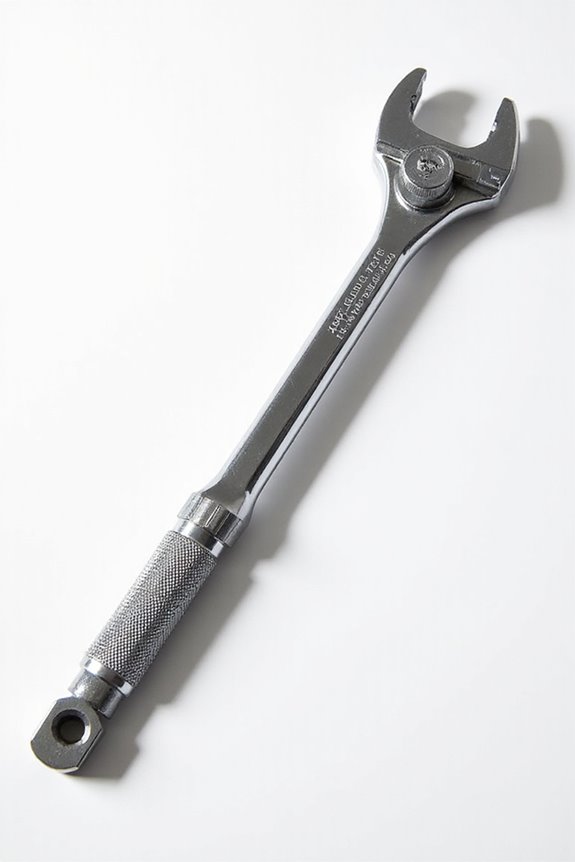
Using a torque wrench properly is essential for effective fastening. First, we select the right socket and set the torque to the desired value. As we position the wrench squarely over the fastener, we apply torque smoothly, listening for that satisfying click—it’s our sign we’ve hit the target. After use, remember to store it at minimum settings to protect the mechanism. By mastering these steps, we guarantee components fit perfectly without damage. Let’s explore more tips to enhance our technique!
Key Takeaways
- Select the correct socket size and hand-thread fasteners for proper alignment before tightening with the torque wrench.
- Set the torque wrench to the desired value, ensuring it’s within 20% to 90% of its maximum capacity for accuracy.
- Position the wrench squarely over the fastener and apply torque smoothly until you hear a click indicating the set torque has been reached.
- Regularly inspect and calibrate the wrench, ideally once a year or after 5,000 uses, to ensure accurate torque application.
- Store the wrench in a protective case and reset to the minimum scale to avoid spring tension damage after use.
Understanding Torque Wrench Settings
You may be interested

When it comes to getting the most out of our torque wrenches, understanding the settings is essential. We need to pay attention to the torque values displayed on the scale, typically in Newton meters and foot-pounds. Selecting the right scale for our specific torque specifications is vital, especially when working with metric measurements.
To set the torque, we release the handle, align the zero mark on the vernier scale, and adjust it to our desired torque. Locking it afterward keeps our settings secure, avoiding any accidental changes. Remember, using the wrench within 20% to 90% of its max capacity guarantees accuracy and tool longevity. Proper calibration ensures consistent performance and can extend the life of your tool, leading to high accuracy ratings in your work.
Takeaway: Mastering these settings guarantees we get precise results without unnecessary wear on our tools.
Attaching and Using the Torque Wrench
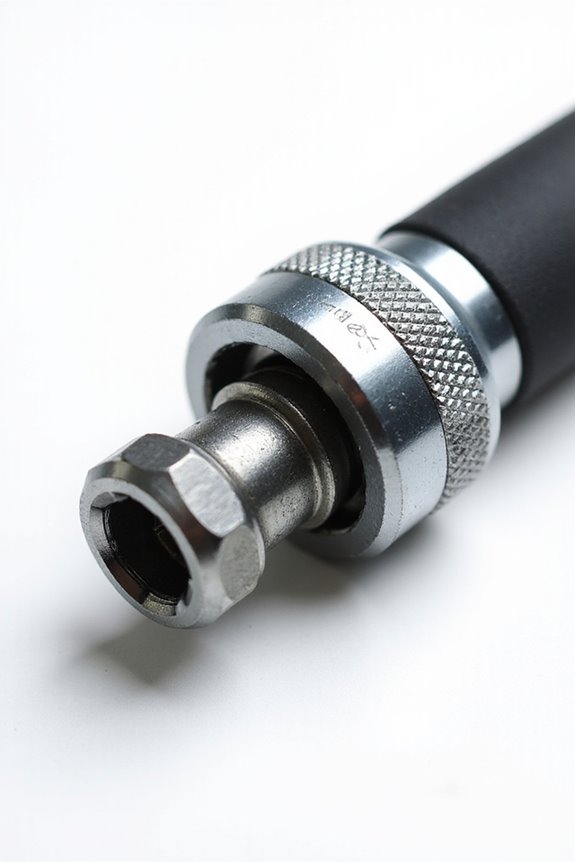
Attaching and using a torque wrench might seem intimidating at first, but once we get the hang of it, it becomes a smooth part of our routine. First, we focus on socket selection: picking a socket that perfectly fits the nut or bolt is essential for accurate torque application. When it clicks into place on the wrench head, we realize it’s locked in.
Before we start tightening, let’s hand-thread the fastener for proper alignment. Once snug, we position the torque wrench squarely over the fastener, ensuring a full seat. As we apply torque, it’s important to keep the motion smooth and controlled. That satisfying click tells us when we’ve reached the desired torque—our goal achieved! Additionally, ensuring the torque wrench is calibrated for accuracy is crucial to achieving precise readings in our tasks.
Handling and Maintaining Your Torque Wrench
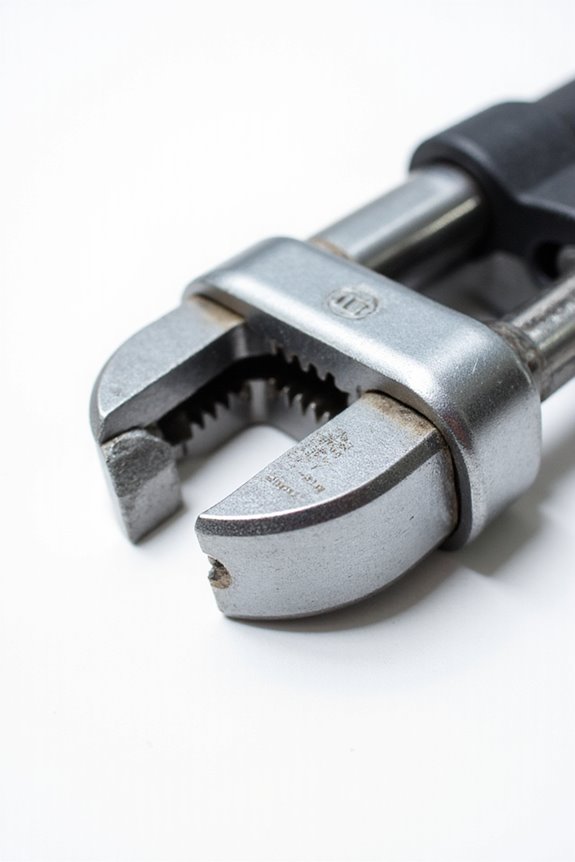
Handling and maintaining our torque wrench properly can greatly extend its lifespan and guarantee consistent performance. First off, let’s talk storage practices. We should always return our torque wrench to its protective case, keeping it in a dry, clean environment. Also, remember to set it to the minimum scale before storage—this helps prevent spring tension damage.
As for cleaning maintenance, a quick wipe with a dry cloth after each use will keep dirt and grease at bay. Let’s avoid chemical solvents, though; they can mess with our tool’s accuracy. Regularly inspecting the ratchet mechanism is key—let’s make sure everything runs smoothly. Through these simple practices, we can maintain our torque wrenches and make certain they’re always ready for action! Additionally, high-quality tools can further enhance the durability and precision of your equipment.
Safety Precautions for Using a Torque Wrench
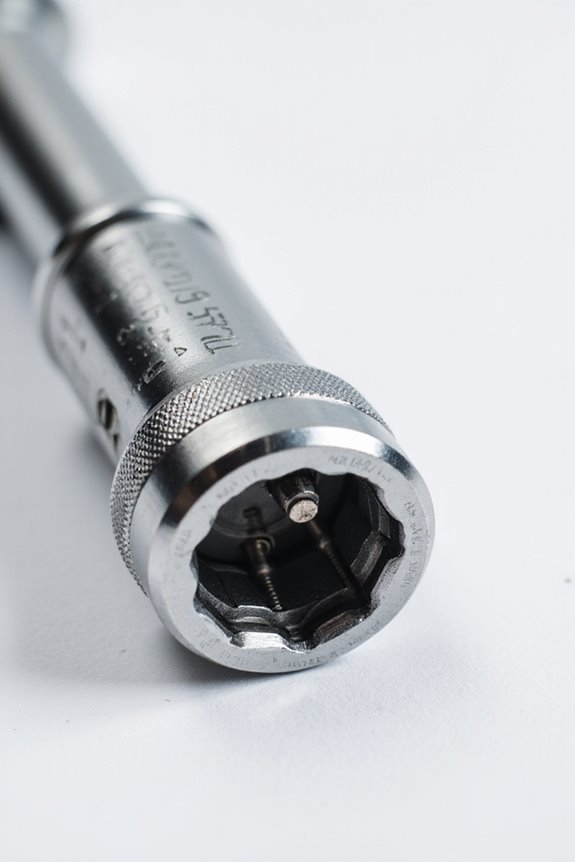
Using a torque wrench safely isn’t just a good practice; it’s essential for guaranteeing our projects go off without a hitch. First, let’s commit to wearing appropriate personal protective equipment. Safety glasses shield our eyes from debris, while sturdy footwear protects our toes from those pesky dropped tools.
Next, we should always conduct a pre-use inspection. This means checking for any physical damage, like cracks or rust, and guaranteeing our wrench is properly calibrated. A quick test of the mechanism guarantees smooth operation. Additionally, understanding the diagnostic functions of tools we use in our projects can enhance safety and effectiveness.
Keeping these safety precautions in mind not only helps us avoid injuries but also guarantees our tools perform at their best. So, let’s prioritize safety for ourselves and our projects!
Best Practices for Accurate Torque Application
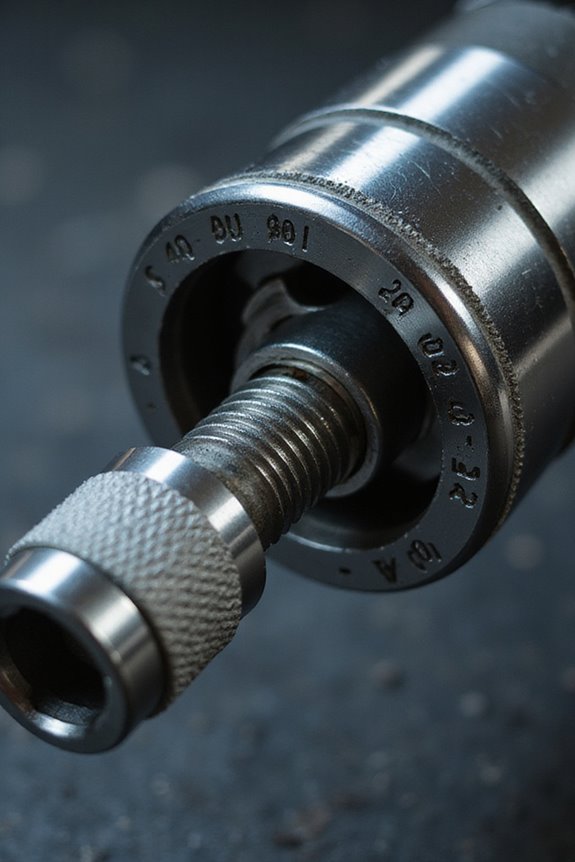
When we aim for precise torque application, it is crucial to follow best practices that guarantee our projects stay on track and our fasteners remain secure. First, let’s remember the calibration importance—our torque wrenches should be calibrated yearly or after 5,000 cycles. Always set the wrench to the recommended torque value, and avoid exceeding the maximum torque ratings. When applying torque, do it smoothly, feeling for that satisfying click, and hold the wrench at the marked loading point. Additionally, using tools like bearing pullers can help maintain surrounding components’ integrity during assembly processes.
Let’s also keep our fasteners clean and lubricated! This helps maintain accurate torque application, ensuring our work is reliable and sturdy.
Takeaway: Regular calibration, careful handling, and a clean work environment are key to accurate torque application.
Common Misuses and How to Avoid Them
Even the most experienced among us can fall into the trap of misusing our torque wrenches, which can lead to serious consequences. We often hear those “tighter is better” beliefs, but over-tightening dangers are real; it can distort or even shear fasteners. Ignoring that reassuring click or signal? That can lead to torque misinterpretation, damaging threads and weakening joints.
We should only use a torque wrench for tightening, never for loosening—trust us, it saves trouble. And let’s not forget about calibration; if we don’t check it regularly, inaccuracies can creep in. This is particularly crucial when working with components like brake rotors, as proper torque settings greatly influence performance and safety. So, keep your torque wrench cherished and well-maintained, set it to the lowest setting after use, and respect the manufacturer’s specifications—it’ll thank us later!
Takeaway: Use it right, and it’ll last.
Frequently Asked Questions
Can I Trust My Torque Wrench’s Calibration Accuracy Over Time?
While we can trust our torque wrench’s calibration accuracy initially, routine maintenance and adherence to calibration standards are essential over time. Let’s prioritize regular checks to guarantee our tools remain reliable and effective in every application.
What Should I Do if My Torque Wrench Clicks but Feels Incorrect?
If our torque wrench clicks but feels off, let’s start with a click calibration and a thorough wrench inspection. It’s crucial to guarantee everything’s working correctly, so we can trust its performance together.
Are There Specific Brands Known for High-Quality Torque Wrenches?
When we think of trusted torque wrenches, brands like Makita tools, Craftsman torque, and DEWALT torque come to mind. Snap on wrench and Husky wrench also shine brightly in our toolbox. Let’s choose wisely together!
How Do Temperature Variations Affect Torque Wrench Performance?
Temperature effects can greatly impact torque precision. We’ve found that extremes can lead to inaccuracies in readings, so let’s be mindful of storage and use conditions, ensuring our tools perform at their best when we need them.
What Is the Lifespan of a Typical Torque Wrench?
A typical torque wrench lasts between 5,000 to 10,000 cycles. By prioritizing torque wrench maintenance and proper torque wrench storage, we can greatly extend its lifespan, ensuring reliable performance for all our projects together.


