As an Amazon Associate, we earn from qualifying purchases. Some links may be affiliate links at no extra cost to you. Although our opinions are based on curated research, we haven't used these products. Articles generated with AI.


How Can I Prevent Rust On My Car?

To prevent rust on our cars, we should prioritize frequent cleaning and inspection. Monthly washes can banish salt and dirt buildup, especially in coastal areas. We can use protective coatings like oil sprays or tar-based treatments for added defense. Repairing scratches promptly is essential—they’re sneaky rust entry points! Finally, let’s manage moisture by parking in covered areas and using breathable car covers. Want to keep our cars in top shape? Stick around for more tips!
Key Takeaways
- Regularly wash your car, especially in coastal or humid areas, to remove salt and dirt that promote rust.
- Apply protective coatings like tar-based sprays or high-quality ceramic coatings to shield against rust.
- Repair scratches and chips promptly using color-matched paint to prevent moisture entry.
- Address collision damage quickly, using rust-inhibiting primers and sealants to protect exposed metal.
- Park in covered areas and use breathable car covers to minimize moisture exposure.
Frequent Cleaning and Inspection
You may be interested


When it comes to keeping our cars rust-free, frequent cleaning and inspection should be at the top of our maintenance checklist. Handwashing once a month helps to remove salt, dirt, and those pesky chemicals that lead to oxidation. If we live near the coast or in humid areas, let’s increase that frequency.
We should also focus on rust-prone spots like wheel wells and undercarriages. A quick pressure wash there works wonders! Remember to dry those hidden spots afterward, as moisture can stealthily promote rust.
Regularly inspecting areas like door seals and fender cavities can help us catch early signs of rust. If we spot bubbling paint, it’s time for some rust removal action. Ensuring regular use of high-quality car care kits can further enhance protection against rust and oxidation.
Takeaway: Regular cleaning, thorough inspections, and addressing issues promptly are our best defenses against rust.
Protective Coatings and Rustproofing Treatments
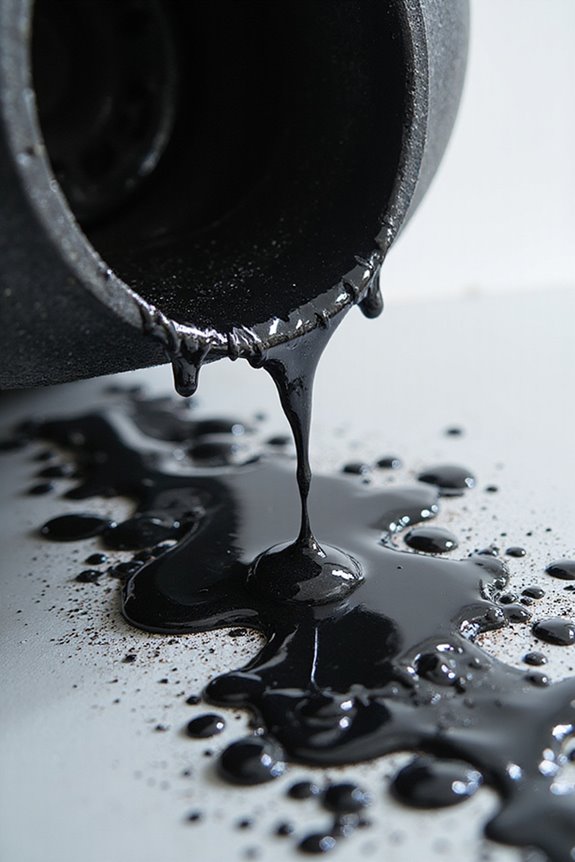
To keep our cars looking sharp and rust-free, protective coatings and rustproofing treatments are vital tools in our maintenance arsenal.
We’ve got options! Tar-based sprays form a hard shield under our vehicles, while oil sprays reach those sneaky spots that thicker sealants could miss. The catch? Tar-based coatings can crack over time, inviting moisture beneath. Oil sprays, on the other hand, penetrate into crevices but might drip for days – yes, we realize it’s a little messy!
For effective application methods, we should confirm surfaces are prepped and cleaned. And let’s not forget: inspecting our coatings yearly is essential for catching any wear that could lead to rust. Moreover, using high-quality ceramic coatings can significantly enhance the durability and resistance of your vehicle’s surface against rust.
Takeaway: Regular maintenance and the right protective coatings can greatly enhance our vehicle’s lifespan. Let’s take rust prevention seriously!
Scratch and Chip Repair
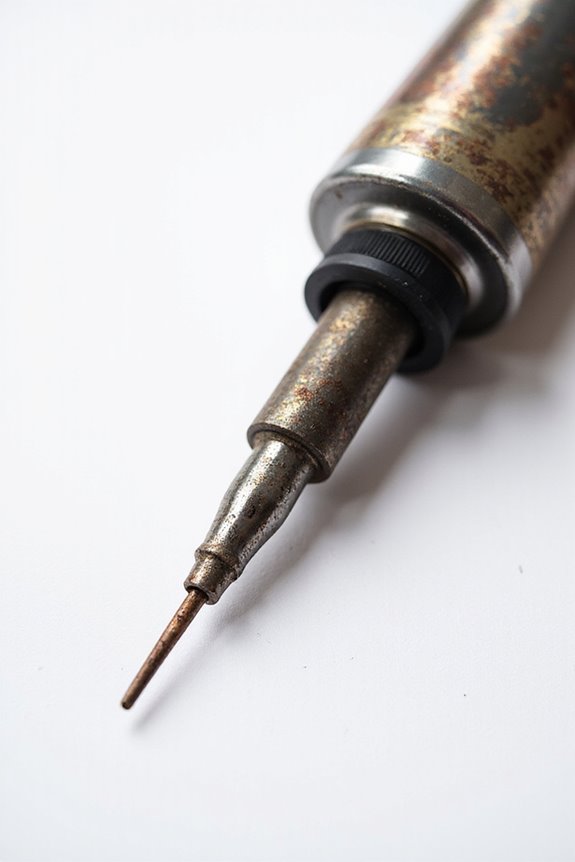
Protective coatings are a great first line of defense against rust, but what happens when our car’s paint job takes a hit? We need to tackle those scratches and chips head-on! First, let’s prep the damaged area. A good wash with a mild detergent will do wonders, then we’ll use touch up techniques with color-matched paint. Applying it carefully with a fine brush allows us control.
Next, let’s embrace sanding methods—using fine sandpaper to level our repair without damaging the surrounding area. Remember, patience is key! Once our repair looks good, a little buffing and polishing will bring that shine back. Regular maintenance can help reduce harmful deposits that may lead to corrosion.
Takeaway: Regularly check our car’s paint and repair any damage to keep rust at bay!
Managing Collision Damage
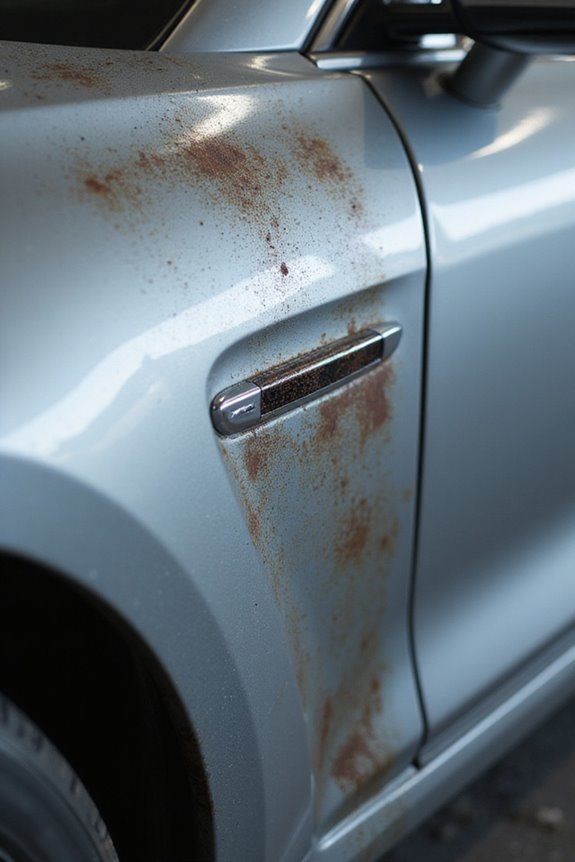
Collision damage can feel like a punch to the gut, especially when it exposes bare metal surfaces that are now at risk of rust. To keep our vehicles safe from rust, we must prioritize timely collision repair. When we see small dents and scratches, let’s not ignore them! They trap moisture, which can lead to accelerated rust.
Investing in rust-inhibiting primers and sealants during repairs is vital; they’ll block oxidation effectively. Plus, keeping the undercarriage clean is essential—road salt is a rust enemy! Additionally, using quality brake rotors can improve vehicle performance and safety, which indirectly helps in rust prevention by minimizing brake dust buildup.
Takeaway: Quick action and professional help limit rust spread. Regular inspections can catch hidden issues before they become big problems. Remember, a little maintenance goes a long way in moisture control!
Environmental Considerations
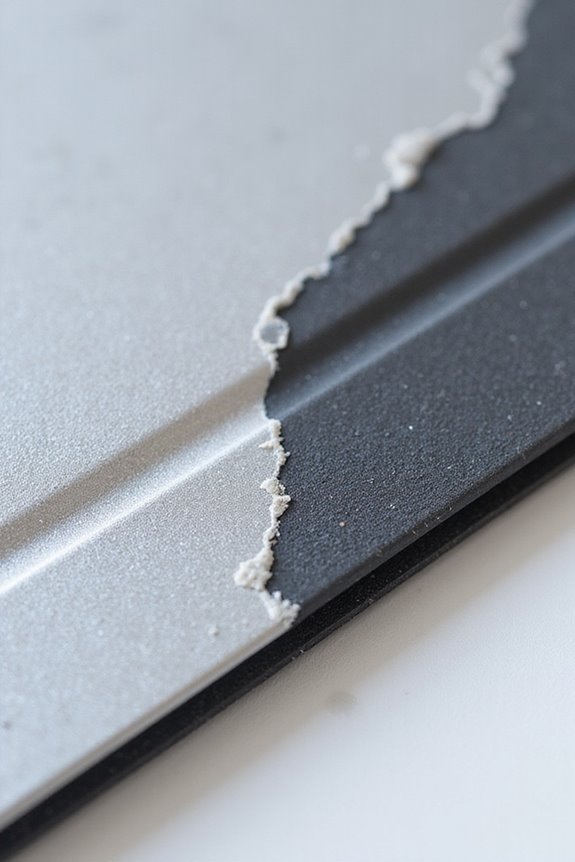
When we think about rust prevention, there’s more to contemplate than just what happens during a collision—our environment plays a big role, too. Moisture management is essential; rain and humidity can quickly lead to rust, especially in spots where water gathers. Underneath our cars, the undercarriage is particularly vulnerable to the climate effects of road salt and grime.
To combat these challenges, parking in covered areas can greatly reduce moisture exposure. Plus, using breathable car covers maintains airflow while protecting against rain. Let’s not forget the importance of keeping door seals clear, as trapped moisture can lead to localized corrosion. Additionally, considering material durability is crucial as rust can compromise the integrity of metal components. By staying proactive and mindful of our surroundings, we can keep our vehicles rust-free and in prime condition.
Takeaway: Manage moisture and protect your car from environmental stressors!
Frequently Asked Questions
How Does Climate Impact Rust Formation on Cars?
Climate deeply impacts rust formation on our cars. High humidity levels and cold weather expose metal to moisture, making rust prevention essential. We should always consider our local environment when maintaining our vehicles’ integrity.
Are Certain Car Colors More Prone to Rust?
Though certain car colors may seem more vulnerable, it’s the paint durability and proper care that truly matter. Let’s embrace the rainbow of limited color options while nurturing our vehicles to prevent rust together.
Can Car Wax Alone Prevent Rust Effectively?
Car wax alone can’t effectively prevent rust. While it offers some benefits, like moisture protection, we need to combine wax application with rust inhibitors for truly effective rust prevention and to safeguard our vehicles better.
Does Regular Driving Help Reduce Rust Risks?
Doesn’t it make sense that regular driving reduces rust risks? By increasing driving frequency, we limit moisture exposure, helping to keep our cars cleaner. Yet, we still need to wash and protect them regularly!
What Are Signs of Rust Under the Paint?
We should watch for paint damage like bubbling, discoloration, and brownish flecks. Regular rust inspections help us catch these issues early, ensuring our car stays in good shape and preventing bigger problems down the road.


