As an Amazon Associate, we earn from qualifying purchases. Some links may be affiliate links at no extra cost to you. Although our opinions are based on curated research, we haven't used these products. Articles generated with AI.


How Do I Use A Torque Wrench Properly?

Using a torque wrench properly is key to secure, reliable connections, and we can nail it together! First, we need to set the correct torque value from the manufacturer’s specs. Then, we choose the right socket and hand-tighten the bolts for alignment. While using the wrench, grip it firmly and listen for that satisfying ‘click’ to know we’ve hit the mark. Don’t worry, there’s more to discover about handling, maintenance, and avoiding common slip-ups!
Key Takeaways
- Consult the manufacturer’s manual for the correct torque specifications and ensure the unit of measurement matches (e.g., Newton-meter or foot-pounds).
- Adjust the torque wrench to the specified value and grip the handle at the marked position for accurate torque application.
- Hand-tighten bolts first to align them properly and avoid cross-threading before using the torque wrench.
- Apply torque smoothly by centering the wrench and stop immediately when you hear the ‘click’ to maintain precision.
- Regularly calibrate your torque wrench every 5,000 cycles or six months to ensure ongoing accuracy and inspect it for wear before each use.
Understanding Torque Wrenches
You may be interested

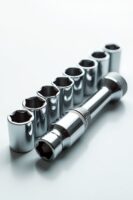

When we plunge into the world of torque wrenches, it’s easy to feel a bit overwhelmed by the different types and their uses. Let’s simplify things. There are several types—click, beam, dial, electronic, and more—each with unique torque applications. For instance, click wrenches give us a satisfying ‘click’ when we reach our preset torque, while beam wrenches let us visually gauge torque through a deflected beam. Then, we have electronic wrenches. With digital displays, they offer high accuracy but may need batteries! High accuracy ratings, such as 1% for precision tasks, are crucial for automotive and DIY projects.
Takeaway: Depending on our task and workspace, knowing these different torque types helps us pick the right tool for the job. Let’s get comfortable with our options and use them confidently!
Setting the Correct Torque Value

Setting the correct torque value is one of the most important steps in ensuring our projects go smoothly. We need to start by checking the manufacturer’s manual for the precise torque specifications. Then, let’s adjust our torque wrench to match this value accurately; after all, we’re aiming for efficient torque measurement!
Here’s the process: we loosen the locking knob, rotate the handle or dial to the desired setting, and lock it back down. It’s essential to confirm the wrench’s unit matches our specification—no one wants a Newton-meter mixed up with foot-pounds! Finally, always do a quick visual check before putting the wrench to work. Accurate diagnostics are crucial for ensuring the reliability of tools and equipment.
Takeaway: Setting it right keeps our work intact and headache-free!
Selecting the Appropriate Socket

Takeaway: Choosing the right socket guarantees we work efficiently and avoid damaging our tools or fasteners. Ensuring compatibility with standard and metric fasteners helps enhance the effectiveness of your torque wrench application.
Preparing the Fastener

Preparing the fastener is a essential step that can determine the success of our torque application. First, let’s hand-tighten the fastener, ensuring proper alignment and avoiding any pesky cross-threading. Once it’s snug, we can prevent thread damage by holding off on using the torque wrench just yet.
Next, thread lubrication is important. We should apply the specified lubricant to both the bolt threads and the underside of the bolt head, as recommended by the manufacturer. This not only reduces friction but also helps achieve uniform torque throughout. Remember, a well-lubricated fastener means better accuracy and less risk of damage. Additionally, ensuring compatibility with OEM replacement specifications can enhance fastening reliability.
Takeaway: Hand-tighten for alignment, and don’t skip the lube! Let’s make our torque application a success.
Proper Handling of the Torque Wrench

Now that we’ve got our fastener prepped and ready to go, it’s time to focus on how we handle the torque wrench itself. Proper handling techniques are vital for accuracy. First, we should grip the handle at the marked position—this guarantees we’re applying the right amount of torque. It’s also essential to avoid using extensions, as they can throw off our torque readings.
Remember to support the wrench socket with our other hand to keep it steady. Dropping or bumping the wrench after we’ve meticulously prepared can cause damage, so let’s handle it with care. After we finish, we’ll reset the tool to minimize spring tension, keeping it in top shape for our next project. It might also be useful to consider the durability of the wrench set you’ve chosen to ensure it withstands frequent use under various conditions.
Takeaway: Grip wisely, and treat it gently!
Techniques for Accurate Tightening
Achieving accurate tightening with a torque wrench is all about technique. First, let’s start by hand-tightening bolts to guarantee alignment—this simple fastening technique saves us from cross-threading mishaps. As we apply torque, hold the wrench in the center, using a smooth motion, and stop when we hear that satisfying click, indicating we’ve reached the target torque. It’s also vital to remember that measurement accuracy is key when ensuring your torque settings align with specifications.
It’s also essential to follow proper tightening patterns when working with multiple fasteners, as this guarantees even load distribution. We want to avoid applying too much force after the click; think of it as obeying a gentle speed limit. By combining these techniques with attention to detail, we can master the process of precise tightening and achieve remarkable results every time!
Takeaway: Embrace smooth, consistent motions and follow appropriate tightening sequences for maximum results.
Safety Precautions During Use
When it comes to using a torque wrench, prioritizing safety precautions is vital to keep both ourselves and our tools intact. Let’s not skip on our PPE requirements! Always wear safety glasses, gloves, and sturdy footwear to safeguard against slips or dropped tools.
Before we begin, it’s important to conduct a pre-use inspection of the wrench. Check for any visible damage, verify it’s calibrated, and look over our sockets for wear. Remember, we must also use the adjustment lock feature to avoid accidental torque changes while working.
In the end, our careful attention to these details keeps us safe and helps us maintain the integrity of our tools. A little precaution goes a long way!
Maintenance and Care of Your Wrench
Taking care of our torque wrench is as important as using it safely. Proper wrench storage is key; let’s keep it in its original case to shield it from dust and damage. During storage, remember to set it to the minimum torque setting to relieve spring tension.
When it comes to cleaning methods, we should wipe the exterior with a dry cloth after each use, steering clear of chemical cleaners that might harm it. Regularly inspect and lubricate the ratchet mechanism, using only manufacturer-recommended products. Simple checks on tight screws and the freedom of the ratchet guarantee it stays in top shape.
Takeaway: A little care goes a long way in keeping our torque wrench reliable and accurate!
Calibration for Precision
To guarantee our torque wrenches deliver the accuracy we depend on, regular calibration is essential. We should follow calibration standards like ISO 6789-1:2017 to keep our tools in check. To maintain precision, we need to calibrate every 5,000 cycles or six months, whichever comes first. If our torque wrench fails, those calibration procedures become twice as frequent—yikes!
When preparing for calibration, let’s clean the wrench and check for wear, guaranteeing a neutral starting point. We can use calibrated tools, like digital testers, to apply precise torque values during the process. After adjustments, let’s verify the wrench’s output.
Takeaway: Regular calibration guarantees our torque wrenches remain reliable partners in our work.
Common Mistakes to Avoid
Using a torque wrench can be straightforward, but even seasoned pros can trip up and make common mistakes that throw off precision. First off, let’s avoid over-tightening; it risks crushing components and can lead to shearing bolts. We understand the temptation to give “one more turn” is strong, but resist it!
Next, be mindful of thread damage—cross-threading can weaken fastening strength. It’s essential to use the right tools and hold the wrench properly. Finally, let’s not ignore torque specifications. Skipping those guidelines can lead to unreliable results and premature tool failure.
Takeaway: Stay within specs, respect your tools, and always remember to check the threads. Happy tightening!
Frequently Asked Questions
Can I Use a Torque Wrench on All Types of Fasteners?
While we think a torque wrench is a knight’s sword for fasteners, it’s not a one-size-fits-all tool. Different fastener types require specific torque settings, so matching them properly guarantees our work stays strong and damage-free.
How Do I Know When to Recalibrate My Torque Wrench?
We’ll know it’s time to recalibrate our torque wrench when we notice calibration signs like slippage or inconsistent clicking. Maintaining torque accuracy is essential, so let’s keep an eye on those performance indicators together!
What Size Torque Wrench Do I Need for My Projects?
Like choosing the right shoes for a journey, picking the right torque wrench depends on our project’s torque settings and wrench types. Let’s explore what fits our needs best and guarantees a smooth ride ahead!
Is It Safe to Use a Torque Wrench on Rusted Bolts?
It’s not safe to use a torque wrench on rusted bolts. The rust impacts torque accuracy, leading to false readings and potential damage. Let’s always prioritize safety and inspect bolts before applying any torque.
Can I Use a Torque Wrench on Plastic Components?
Absolutely, we can use a torque wrench on plastic components! Just remember, adjusting torque settings for plastic compatibility is essential—like preventing that heartbreaking moment when a cherished part cracks. Let’s be gentle together.


