As an Amazon Associate, we earn from qualifying purchases. Some links may be affiliate links at no extra cost to you. Although our opinions are based on curated research, we haven't used these products. Articles generated with AI.


What Are The Key Differences Between Aluminum And Steel Car Parts?

When it comes to car parts, we’ve got two heavy hitters: aluminum and steel. Aluminum is lightweight and corrosion-resistant, improving fuel efficiency, but it can be pricier and harder to repair. Steel, on the other hand, offers high tensile strength and lower initial costs but lacks the same lightweight benefits. For safety, steel absorbs crash energy better, while aluminum needs thicker sections to match up. Plus, the choice often hinges on specific applications and future trends in the industry—let’s explore those!
Key Takeaways
- Aluminum is lighter than steel, enhancing fuel efficiency and handling, but may require costlier repairs and part replacements due to lack of memory.
- Steel boasts higher tensile strength, providing better crash energy absorption, which enhances passenger safety compared to aluminum.
- Aluminum has superior corrosion resistance due to its natural oxide layer, while steel is prone to rust without regular maintenance.
- The cost of primary aluminum is significantly higher than steel, but aluminum may yield long-term fuel savings with higher production volumes making it competitive.
- Innovations in mixed-material designs leverage the strengths of both aluminum and steel, optimizing performance and functionality in automotive applications.
Weight and Density Comparison
You may be interested



When we plunge into the world of car parts, one of the biggest players in the game is the weight and density of materials, particularly aluminum and steel. Aluminum’s average density of about 2.7 g/cm³ makes it a lightweight champion, which means components can weigh roughly one-third of their steel counterparts. This significant weight reduction greatly improves weight distribution, enhancing fuel efficiency and handling.
However, while aluminum’s lightweight nature offers many advantages, it also brings material trade-offs. Steel, denser at 7.75 to 8.05 g/cm³, provides strength but demands innovative design to keep vehicle weight down. Ultimately, choosing between aluminum and steel involves balancing these factors—weight savings versus cost, strength versus performance. Moreover, pressure ratings of components can also impact their effectiveness in various automotive applications.
Takeaway: Understanding these differences can guide your choices in car parts!
Recommended Products

Industry leading 3 Year (36 Months) Warranty (a $499 value!)
Industry Leading 3 Year (36 Months) Warranty (A $499 Value!)

Heavy-Duty Durability & Rust Resistance:Built with high-quality metal frame and anti-corrosion coating, this 20x40 metal carport is waterproof, windproof, and UV-resistant—withstands years of outdoor use without aging or damage, ideal for long-term vehicle and equipment protection.
Strength and Safety Features

After considering weight and density, it’s time to turn our attention to strength and safety, which are key factors in automotive design. Steel boasts impressive tensile strengths ranging between 400 to 2000 MPa, markedly outpacing aluminum’s max of 300 MPa. The yield strength of common structural steel is about 250 MPa, while aluminum alloys hover around 240 MPa.
This superior strength allows steel to absorb crash energy more effectively, enhancing passenger safety. In contrast, aluminum’s specific strength benefits lighter designs, albeit often requiring thicker sections to match steel. Additionally, advanced performance features such as effective energy absorption are critical for driver safety. So, whether it’s optimizing for crash performance or weight, steering this choice is essential for manufacturers and you, the discerning driver.
Takeaway: Steel excels in crash resilience, while aluminum shines in weight savings.
Recommended Products

PERFECT FIT: Partition and shelves engineered to fit a specific vehicle

Product Type:Auto Part

Package Dimensions: 36 L x 36 H x 84 W (inches)
Corrosion Resistance and Durability
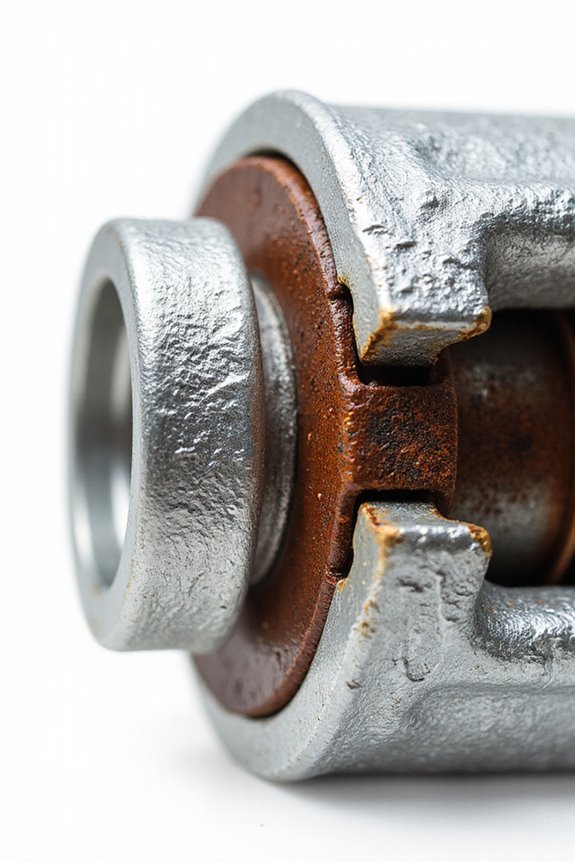
Though we often take it for granted, the materials used in car parts face harsh environments that put their durability to the test. Aluminum offers good resistance against rust, thanks to its natural oxide layer. However, it’s not invincible, especially in salty or acidic settings. On the flip side, stainless steel shines with its robust corrosion prevention methods and superior longevity in aggressive environments.
So, when we weave in environmental factors—like fluctuations in moisture or exposure to saltwater—it’s clear: stainless steel often emerges as the heavyweight champ. Meanwhile, aluminum is great for lightweight needs where some elasticity is beneficial, but it needs special attention to avoid those pesky corrosion pitfalls. Additionally, brake fluid quality can influence the overall performance and lifespan of the components, particularly in environments prone to corrosion.
Takeaway: Choose material wisely based on the environment your parts will face!
Recommended Products
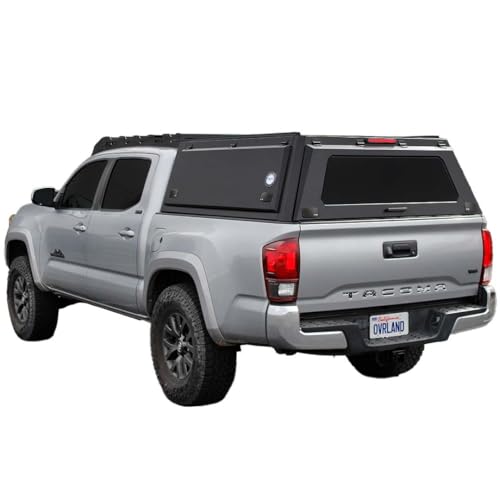
No Drill Installation: Say goodbye to complex installations. Our no-drill installation process is hassle-free and preserves your truck's integrity. You can have your topper ready for action in no time.

Three Stage “Smart” Chargers Phase Three “Smart” battery charging technology is now available in a wide range of power levels, allowing you to select the right size, features and flexibility you
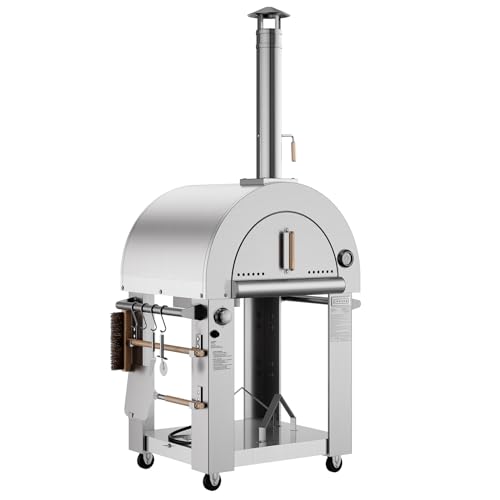
CSA Certified : Empava pizza oven for grill is CSA certified, meeting U.S. Federal Government standards for health and safety protection
Cost Considerations in Manufacturing

Understanding the cost dynamics between aluminum and steel car parts can feel like unraveling a complicated puzzle, but it’s essential for making informed decisions. Let’s talk numbers: primary aluminum costs 2 to 5 times more than steel per kilogram, which can greatly impact our cost analysis. The pricing trends show that aluminum requires specialized fabrication processes, adding to its overall cost, especially in smaller production runs. However, as production volume increases, aluminum becomes more cost-competitive through economies of scale. While steel might have a lower upfront cost, aluminum’s lightweight advantage can lead to long-term fuel savings. Additionally, the importance of warranties for aluminum parts can influence overall satisfaction and long-term ownership costs. So, when considering which material to choose, we need to weigh those initial costs against the potential savings down the road.
Takeaway: Balance upfront expenses with long-term benefits.
Recommended Products

Non Chlorinated Brake Cleaner, 14.5 oz each


Upgrade Your Suspension - Give your suspension a premium upgrade, with this ReadyLIFT SST Lift kit plus Fox Performance Series 2.0 shock upgrade kit. Not only will you be able to run bigger tires and give your truck a more aggressive look with the SST lift kit, but you will also improve your ride quality and handling in one convenient bundle with the included upgraded Fox shocks.
Workability and Manufacturing Processes

When we immerse ourselves in the world of workability and manufacturing processes, it becomes clear that the choice between aluminum and steel isn’t just about strength; it’s also about how these materials behave during production.
Aluminum boasts excellent machinability, which can streamline production. However, its lower ductility means it’s less forgiving during complex fabrication techniques. Steel, with its higher strength, might require more robust machining processes but offers better formability for intricate shapes.
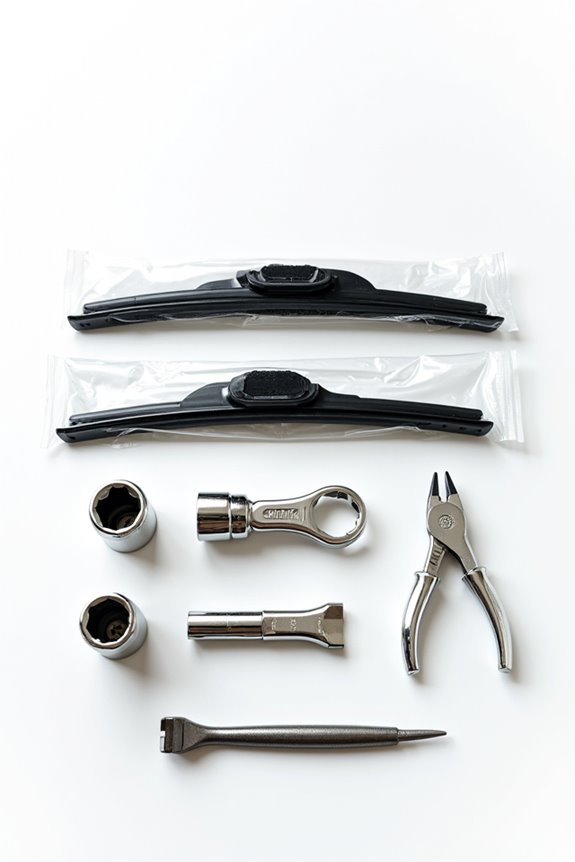
Welding methods also differ dramatically—steel’s forgiving nature makes it easier to join, while aluminum demands specialized techniques, like TIG welding, to guarantee quality joins. Additionally, the material quality and storage solutions utilized in tool sets can significantly influence manufacturing preciseness.
Takeaway: Understanding these nuances helps us make informed decisions in manufacturing processes, paving the way for stronger, safer car parts.
Applications in the Automotive Industry
As we shift our focus to applications in the automotive industry, the impact of workability and manufacturing processes becomes even clearer. We see aluminum making its mark in various performance applications—think lightweight chassis and body panels. With their reduced weight, aluminum parts improve fuel efficiency and handling dynamics, even if they sometimes require a little extra thickness for strength. On the flip side, steel remains a go-to for structural reinforcements due to its high strength-to-weight ratio. It’s fascinating how material preferences play such a critical role in design choices, striking a balance between performance and cost. We’re starting to see mixed-material designs, blending the best of both worlds: strength and lightweight agility. Additionally, selecting materials with optimal performance characteristics can greatly impact the overall durability and functionality of vehicle components.
Takeaway: Choosing the right material is essential for optimizing vehicle performance and cost.
Performance Differences in Luxury vs. Mass-Market Vehicles
In considering the performance differences between luxury and mass-market vehicles, it’s clear that material choices play a pivotal role in how each segment approaches design and efficiency.
Luxury performance often harnesses lightweight aluminum, enhancing both acceleration and fuel efficiency. Sure, it’s pricier, but the benefits in performance and range—especially for electric models—make it worthwhile. In contrast, mass market efficiency tends to lean on advanced high-strength steel (AHSS) for its strength and cost-effectiveness, balancing affordability with adequate performance.
While aluminum helps luxury vehicles glide with elegance, mass-market vehicles focus on durability, which is perfect for the everyday hustle.
Takeaway: Luxury rides on lightweight aluminum for premium performance, while mass-market relies on robust steel for dependable efficiency.
Repair and Maintenance Aspects
Repair and maintenance aspects of car parts can be a real game-changer, especially when we consider the materials involved. When it comes to repair techniques, steel often shines because of its metal memory, making reshaping dents simpler for us. On the flip side, aluminum can be a bit trickier; its lack of memory means we might need to do a full replacement instead.
We also have to think about maintenance frequency. While steel can rust and requires regular upkeep, aluminum’s corrosion resistance can reduce those needs. However, aluminum repairs can mean higher costs and longer downtimes due to limited availability of parts. It’s essential we stay informed about these factors when choosing between aluminum and steel for our vehicles.
Takeaway: Steel may be cheaper and easier to repair, but aluminum offers long-term durability.
Recommended Products

This authentic VDI door kit from Accesspeed includes 2 Gas Shocks, 2 VDI Lambo Door Hinges (one for each side) and all mounting hardware for the easiest possible installation.

Fits: 1999 - 2006 Chevy Silverado GMC Sierra 1500 4WD

Future Trends in Material Use in Automotive Design
The automotive industry is on the brink of a transformation, where material choices will greatly shape the future of vehicle design. We’re witnessing a shift toward sustainable materials, driven by electrification trends and the need for carbon-neutral production. Imagine vehicles crafted from bioplastics, recycled materials, and advanced composites that not only cut down on weight but also support our environment.
Modular design is becoming popular too, allowing us to use the same platform across various vehicle types, making customization easier and more efficient. And let’s not forget about composite innovations enhancing vehicle durability and performance.
Takeaway: As we embrace these changes, we’re not just enhancing vehicles; we’re paving a way toward a greener future for all of us.
Frequently Asked Questions
How Does Aluminum Affect Vehicle Fuel Efficiency Compared to Steel?
Aluminum’s lightweight materials greatly enhance vehicle fuel efficiency compared to steel. By reducing weight, we enable improved engine performance, allowing our cars to accelerate faster while consuming less fuel, ultimately lowering emissions and operating costs.
Are Aluminum Car Parts Recyclable Like Steel?
Absolutely, aluminum’s recyclable just like steel! Picture a phoenix rising; both materials contribute to the environment through efficient recycling processes, minimizing impact. Together, we embrace a sustainable future, reducing waste and nurturing our planet’s beauty.
What Are the Welding Differences Between Aluminum and Steel?
When we think about welding differences, aluminum and steel require distinct techniques. Aluminum’s quick heat effects challenge us, demanding precision, while steel’s forgiving nature makes it easier to manage during welding, allowing for varied approaches.
How Does Temperature Impact Aluminum and Steel Performance?
Temperature affects both aluminum and steel; aluminum expands more with heat due to its higher thermal conductivity. We must consider these factors when selecting materials, as they impact performance, especially in dynamic environments.
Do Aluminum and Steel Parts Require Different Maintenance Routines?
While it might seem all car parts need equal care, aluminum’s corrosion resistance reduces maintenance frequency compared to steel. We all want our vehicles to last long, and understanding these needs helps us achieve that together.