As an Amazon Associate, we earn from qualifying purchases. Some links may be affiliate links at no extra cost to you. Although our opinions are based on curated research, we haven't used these products. Articles generated with AI.


What Is The Expected Lifespan Of Car Suspension Parts?

When it comes to car suspension parts, we find that lifespans vary quite a bit. Shocks and struts generally last between 50,000 and 100,000 miles, while coil springs can survive over 20 years in normal conditions. Bushings usually make it to 50,000 to 150,000 miles, and ball joints sit in the 75,000 to 150,000-mile range. Regular checks can extend their life and keep us safe on the road, so let’s explore more about maintenance!
Key Takeaways
- Shocks and struts typically last between 50,000 and 100,000 miles, with longevity improved through gentle driving on smooth surfaces.
- Coil springs can endure over 20 years under normal conditions, requiring maintenance for heavy loads.
- Bushings usually last between 50,000 and 150,000 miles, with higher-quality materials potentially lasting up to 15 years.
- Ball joints have a lifespan of 75,000 to 150,000 miles, with lower ones wearing faster under heavy loads.
- Regular inspections can identify wear early, significantly extending the lifespan of various suspension components.
Overview of Suspension Components
You may be interested


When it comes to our vehicles, suspension components play a pivotal role in guaranteeing a smooth and safe ride. Understanding these parts can bring us closer to appreciating our cars’ performance. The main types of suspension springs—coil, leaf, and torsion bars—help absorb impact, maintaining comfort and tire contact. Most of us encounter coil springs in modern vehicles, crafted from durable steel and often paired with innovative materials like rubber bushings.
Control arms connect the frame to wheel hubs, allowing movement while keeping tires aligned. Ball joints act as pivot points, essential for steering and handling. Then, there are stabilizer bars, reducing body roll and enhancing stability. Each component contributes to our vehicle’s harmony, making our journeys safer and more enjoyable. Sway bars, which enhance vehicle stability, are particularly crucial for drivers looking to improve control during turns and heavy towing.
Takeaway: Knowing these parts helps us guarantee our rides are smooth and safe.
Lifespan of Shocks and Struts

Regularly monitoring the condition of shocks and struts can save us from unexpected bumps in our ride—and we mean that literally! These crucial components typically last between 50,000 and 100,000 miles, varying based on road conditions and our driving habits. If we drive gently on smooth roads, we might even stretch their life to over a decade. However, we should keep an eye out for signs of wear, like leaking fluid and unusual noises, which signal it might be time for shock maintenance. Always remember, timely strut replacement is important for safe handling and comfort. By staying proactive, we guarantee our suspension system keeps performing at its best, making every journey a smoother experience. Additionally, just like regular maintenance of brake calipers can ensure effective braking performance, timely checks on suspension components can greatly enhance ride quality.
Takeaway: Prioritize regular inspections and address issues early!
Recommended Products


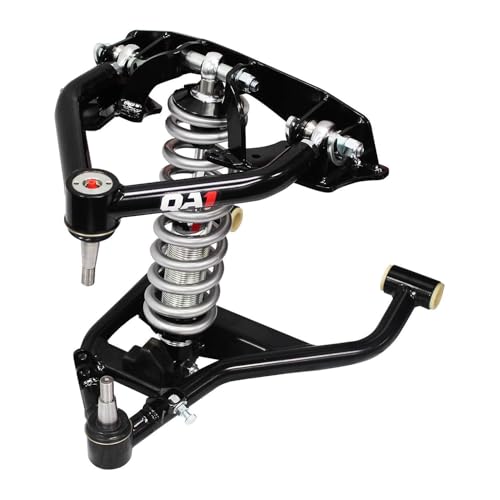
FITMENT | Fits 2014-2016 Chevrolet Silverado/GMC Sierra 1500 w/ Factory Cast Steel Arms
Lifespan of Springs

Coil springs play a fundamental role in ensuring our vehicles ride smoothly and handle well, often enduring the lifetime of the vehicle itself—think 20 years or more under normal conditions! While they don’t have an expiry date, we should keep an eye on them, particularly if we drive trucks or carry heavy loads.
Key Points:
- Exposure to road salt and moisture can accelerate wear, so regular coil spring maintenance is essential.
- If we notice a change in ride height or hear clunking noises, it’s time for closer inspection.
- Remember, maintaining our shocks and struts is just as important for peak spring performance. Additionally, durability concerns arise when bushings start showing signs of wear, affecting the overall performance of the vehicle.
Takeaway: A little attention can go a long way in prolonging our springs’ lifespan!
Recommended Products

Fits JKU Wrangler (4-door) 2007-2018

Independently adjustable technology rebound and compression damping

Rebound adjustable
Lifespan of Bushings
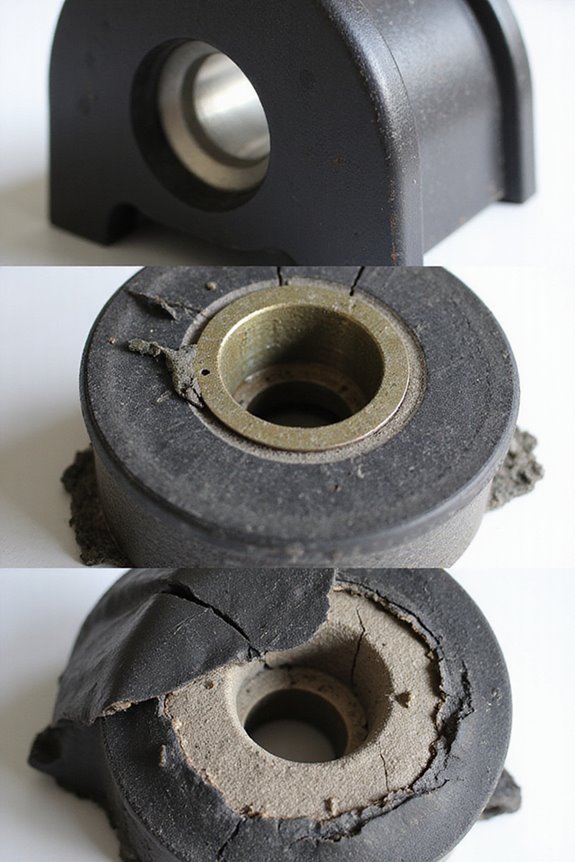
Bushings are those unsung heroes in our car’s suspension system, and they play an important role in providing a smooth ride. Typically, we can expect bushings to last between 50,000 and 150,000 miles, depending on factors like driving style and environmental conditions. With ideal bushing materials, we might even stretch that lifespan to 15 years or longer!
It’s vital to keep an eye out for signs of wear—like cracks or abnormal tire patterns—because there aren’t strict replacement intervals. If we drive over rough roads or in harsh conditions, our bushings might wear down faster. Regular inspections are key to catching issues early. Remember, early detection not only saves us money but also keeps our ride comfortable and safe. Additionally, just like brake master cylinders, competition for durability emphasizes the importance of selecting high-quality materials to ensure longevity and performance.
Recommended Products

Vehicle Fitment: Jeep Wrangler JK 07-18 – The ultimate control arm upgrade for serious off-roaders, providing extreme articulation, axle stability, and unmatched strength for lifted and high-performance builds.

Custom-designed for a specific chassis and suspension system

Vehicle Fitment: Jeep Wrangler JK 07-18 – Comprehensive suspension upgrade designed to restore alignment, enhance stability, and eliminate common drivability issues.
Takeaway:
- Inspect regularly for cracks and wear
- Replacement costs range from $180 to $220
- Consider upgrading to polyurethane for durability!
Lifespan of Ball Joints

When it comes to our vehicles, we often overlook the essential role ball joints play in maintaining a smooth ride and overall handling. Typically, ball joints last between 75,000 and 150,000 miles, but this can vary considerably based on usage. For instance, load-bearing lower ball joints tend to wear out faster than upper ones, especially under heavy loads or rough terrain.
To promote longevity, proper ball joint maintenance is vital. Regular inspections help catch wear early, while signs like clunking noises or uneven tire wear indicate it might be time for ball joint replacement. Remember, ignoring these hints could lead to bigger problems down the road. Additionally, opting for high-grade steel and heat-processed components can enhance durability and performance in ball joints. So, let’s keep our rides smooth and safe by staying proactive with our ball joints!
Recommended Products

FITS: 2016+ Polaris RZR XP Turbo / XP 4 Turbo

CERTIFICATION - N/A
Lifespan of Control Arms
Typically lasting between 60,000 and 100,000 kilometers (or around 37,000 to 62,000 miles), control arms are essential components in our vehicle’s suspension system. We’ve likely noticed that their lifespan can vary based on driving habits, road conditions, and vehicle weight. Regular control arm maintenance, like inspections every 30,000 to 50,000 miles, helps us catch issues early. Additionally, using high-strength alloy steel for replacement parts can significantly enhance durability and performance.
If we’re feeling a wobble in the steering or see worn bushings, it might be time for control arm replacement. Don’t forget, the right parts matter—higher quality can extend the life of these important components. So, let’s stay informed and proactive to keep our rides smooth and safe!
Takeaway: Keeping tabs on our control arms guarantees they last as long as possible.
Recommended Products

FITMENT | Fits 2005-2023 Toyota Tacoma 4WD (Excludes TRD PRO Model)


Vehicle Fitment: Jeep Gladiator JT 20+ – A complete suspension and steering upgrade engineered for enhanced stability, handling, and drivability.
Factors Affecting Suspension Lifespan
Understanding the lifespan of our car’s suspension parts goes hand-in-hand with knowing what factors influence that longevity. Key elements include road conditions, vehicle load, and our driving techniques.
- Road Conditions: Potholes, speed bumps, or rough terrain can wreak havoc on our suspension.
- Load Optimization: Exceeding load limits doesn’t just stretch our springs; it can make them sag faster, too.
- Driving Techniques: Aggressive maneuvers like hard stopping or speeding over bumps? They contribute to quicker wear.
Routine maintenance helps catch issues before they escalate. Regular inspections, proper load management, and calm driving can greatly prolong our suspension life.
Takeaway: Balance load, maintain road etiquette, and keep an eye on the road for a smoother, longer-lasting ride!
Signs of Suspension Wear
Noticing a few signs of suspension wear can be a game changer for our vehicle’s longevity and safety. We should keep an eye out for changes in ride quality; if we feel every bump, or if our vehicle bounces excessively, it’s a clear sign that our shocks or struts are struggling.
Moreover, steering difficulties, like fighting the wheel at low speeds or feeling the car pull to one side, often indicate deeper issues.
Let’s not ignore any strange noises, like clunking over bumps or squeaking during turns, either. Regular suspension inspection helps us catch these problems early, ensuring a smooth, safe ride.
Takeaway: Addressing these signs now can save us from bigger headaches down the road.
Risks of Neglecting Suspension Maintenance
When it comes to our vehicles, neglecting suspension maintenance can lead us down a path toward numerous dangers that could easily be avoided. For starters, a failing suspension increases our risk of accidents considerably—up to 50% more likely in emergencies! We might also face escalating repair costs as ignored issues spiral into costly problems, affecting everything from tires to braking systems.
To put it simply, worn suspension parts compromise our vehicle’s stability and control, especially on slick roads. This puts not only our safety at risk but also those sharing the road with us. So, let’s prioritize maintenance, as it’s a wise investment in accident prevention and helps keep those repair costs manageable down the line.
Takeaway: Regular suspension checks keep us safe and save money!
Frequently Asked Questions
How Do Weather Conditions Impact Suspension Lifespan?
Weather conditions dramatically impact suspension lifespan. We’ve noticed heavy rain and road salt can cause corrosion, while extreme heat and icy conditions exacerbate wear. Let’s keep an eye on our vehicles for proactive maintenance!
Can I Replace Suspension Parts With Aftermarket Alternatives?
Absolutely, we can replace suspension parts with aftermarket alternatives. Just remember, the aftermarket quality varies, so we need to guarantee proper suspension compatibility for our vehicle, keeping safety and performance in mind together with our choices.
How Often Should I Inspect My Suspension Components?
We should inspect our suspension components at least annually or every 12,000 miles under normal conditions. For added safety, let’s stay proactive with inspection frequency, especially if we drive on rough roads or carry heavy loads.
What Is the Cost Range for Suspension Repairs?
When we consider suspension part prices, they typically range from $100 to over $1,500, depending on the repair’s extent, while repair labor costs usually make up 50% or more of the total expense.
Does Towing Affect Suspension Part Longevity?
Absolutely, towing does affect suspension part longevity. Exceeding our towing capacity adds significant suspension stress, leading to faster wear and potential failures. Staying within limits is essential for maintaining our suspension’s health and performance.